Nature connections: Pollination

Pollination is what happens when pollen, made by male parts of a plant, transfers to the female part of the plant.

Pollination needs to happen for a plant to be fertilised, and make seeds.

Plants have different ways of becoming pollinated. Some plants pollinate themselves, and others need the wind or animals to help.

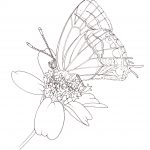
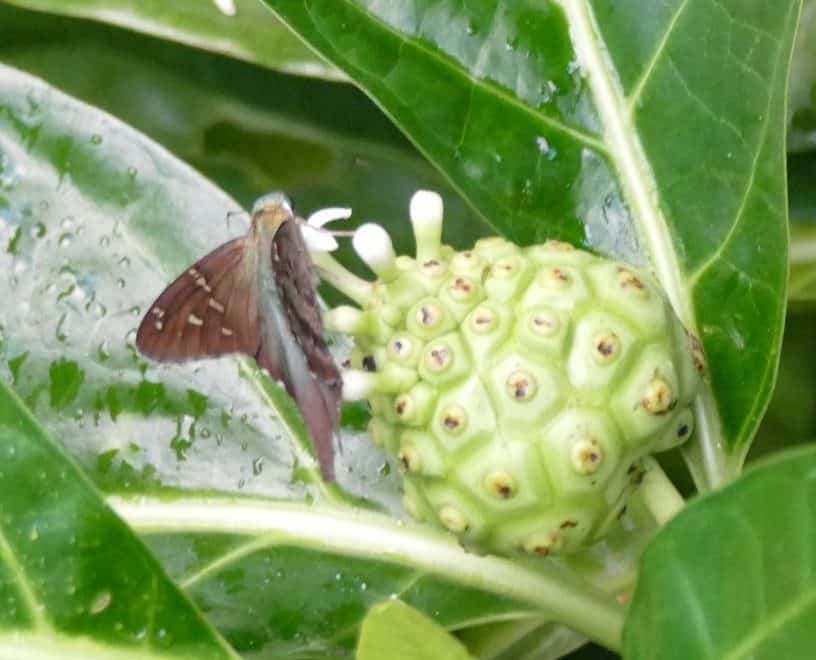
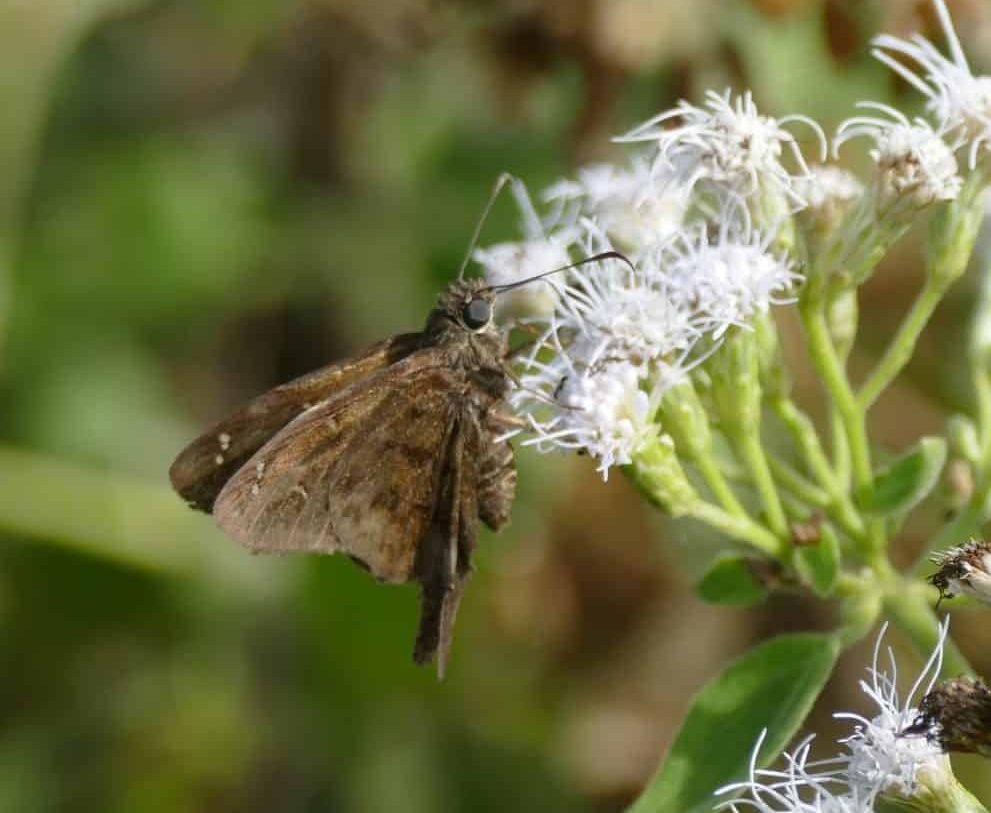
A Hammock Skipper feeding on nectar

Animal pollination

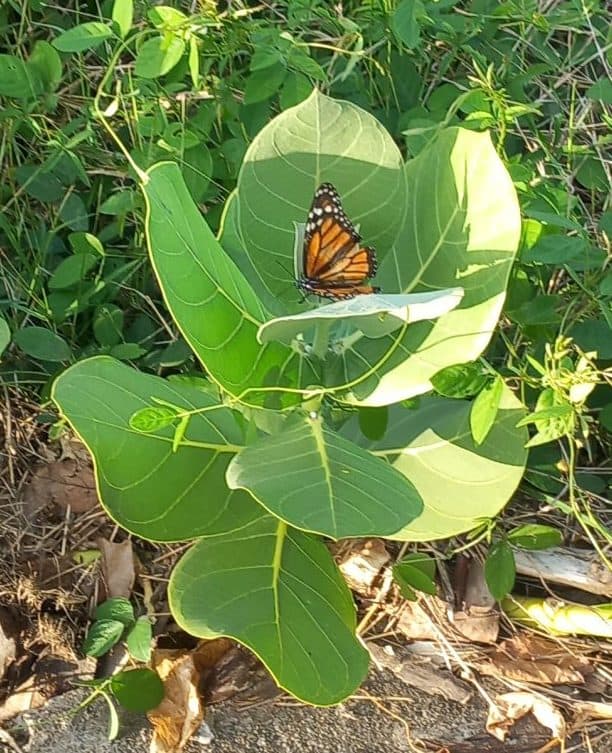
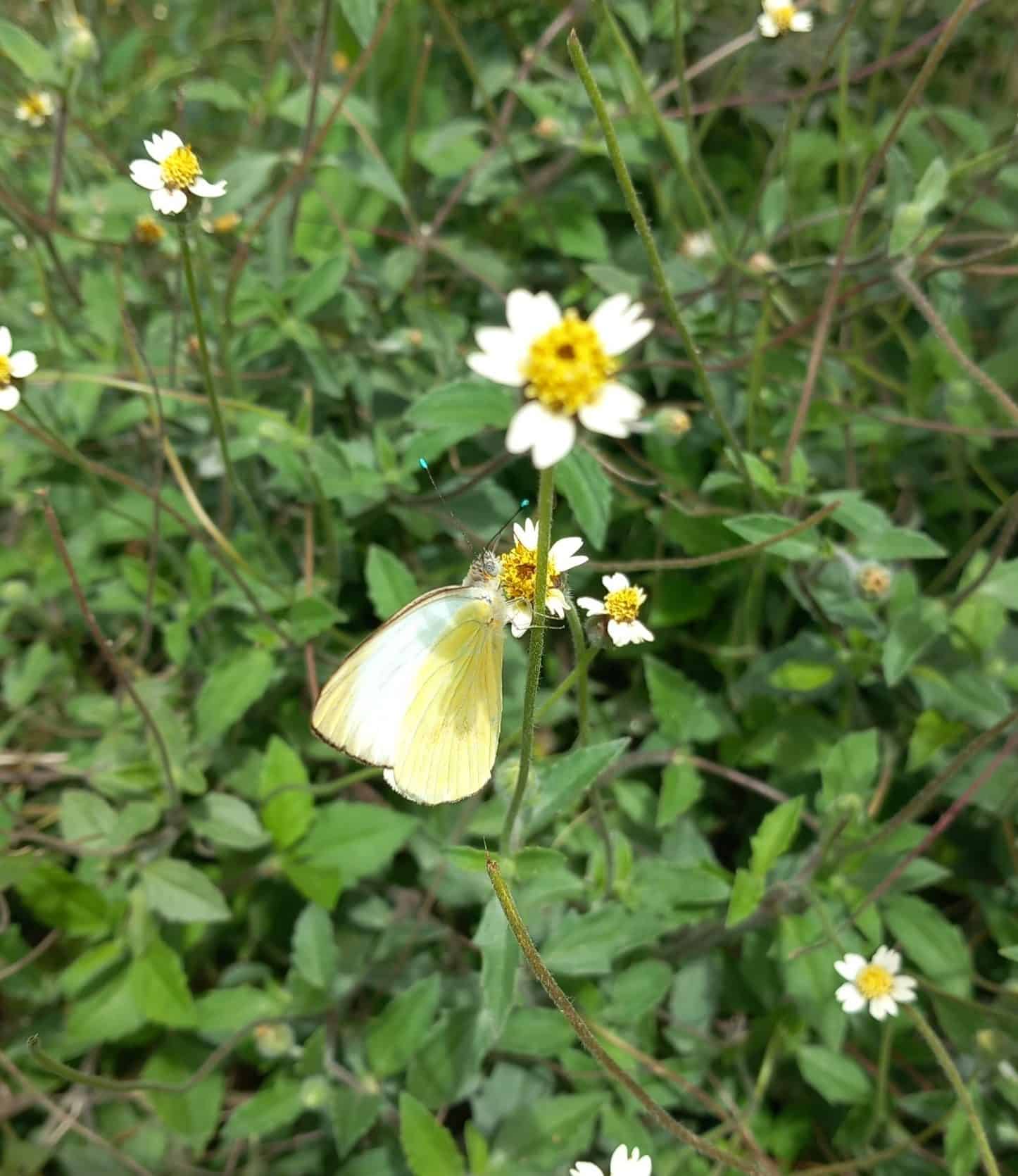
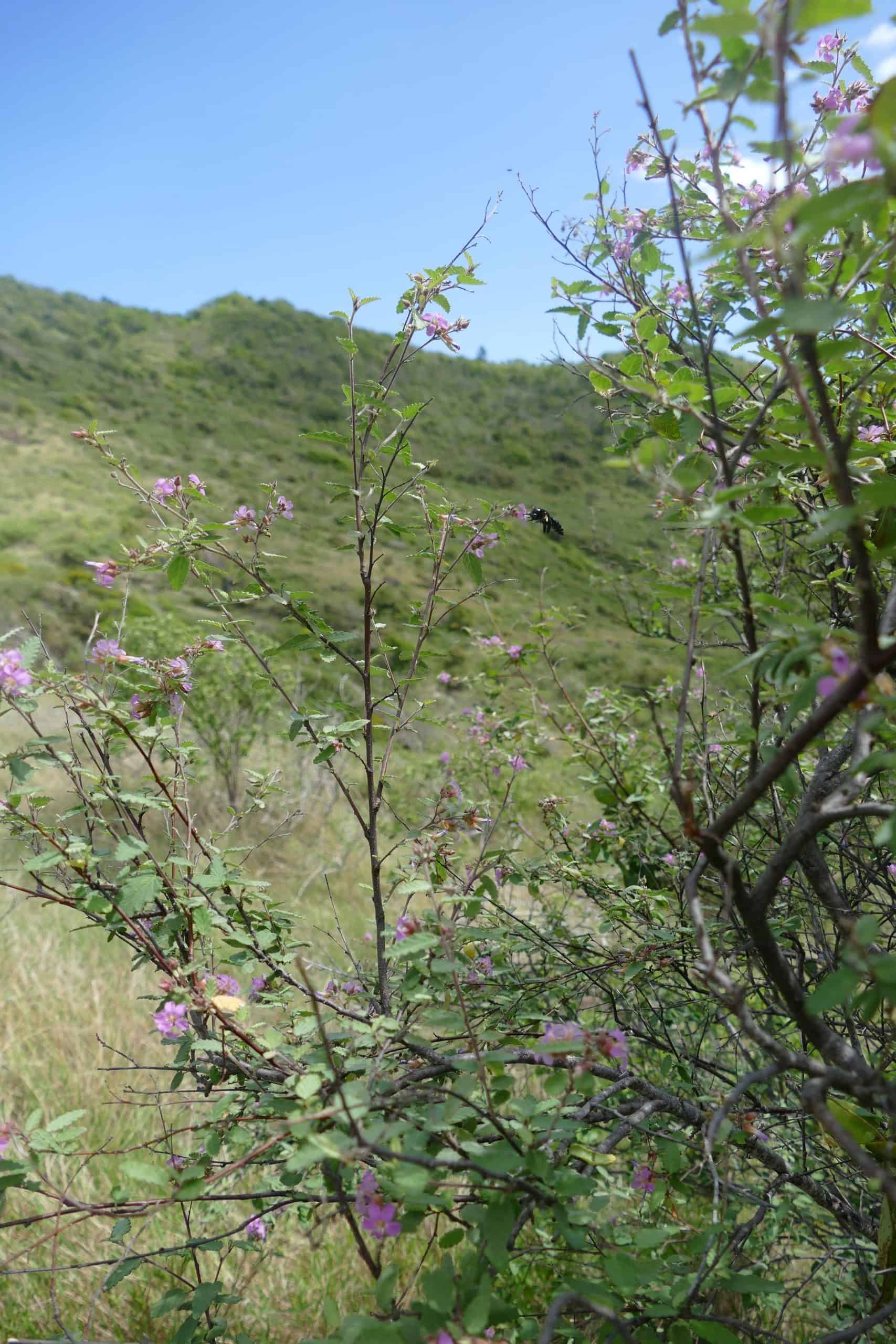
Lots of plants need animals for pollination. Bright flowers attract animals to feed on nectar and pollen. As animals go from flower to flower, any pollen stuck on them may pollinate another flower.

Lots of insects, as well as birds and bats, are important pollinators in Montserrat. These animals play an important part in pollinating crops and medicinal plants too.

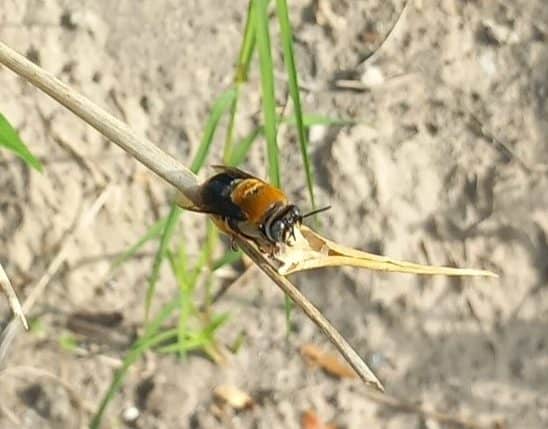
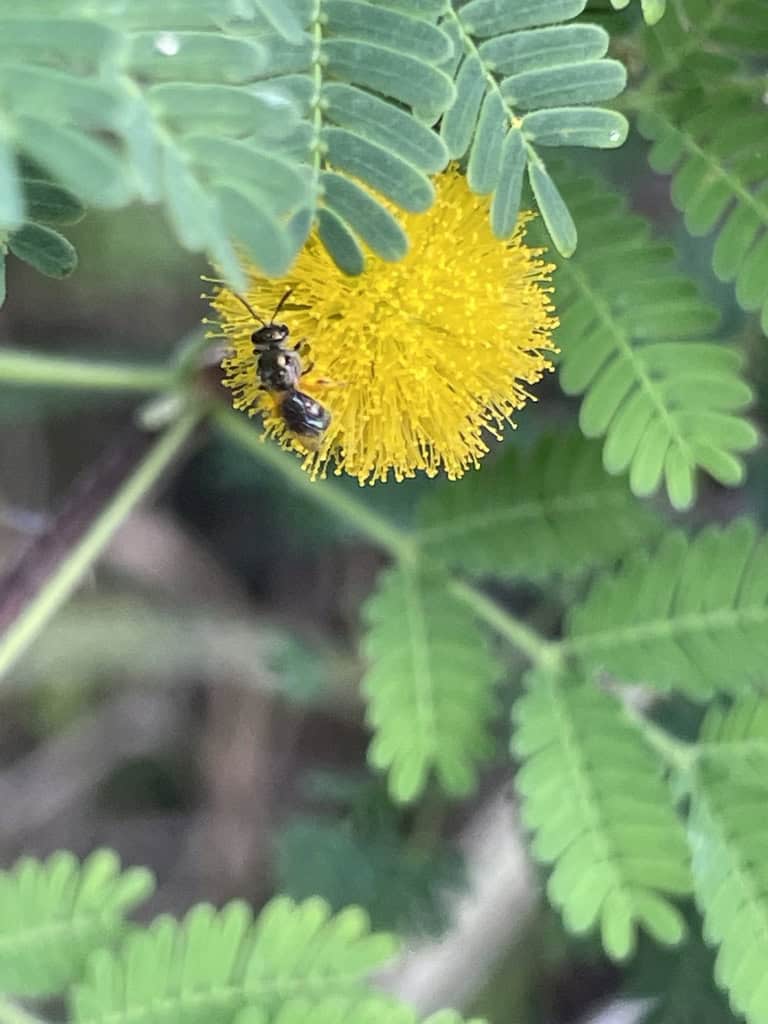
A Metallic Sweat Bee
These animals all pollinate flowers in Montserrat:

Booklet: Montserrat's pollinators and seed dispersers
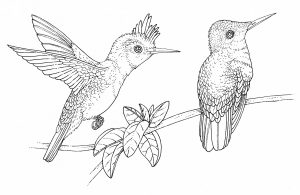
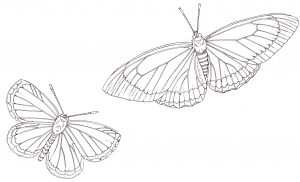
Activity: Colouring sheet

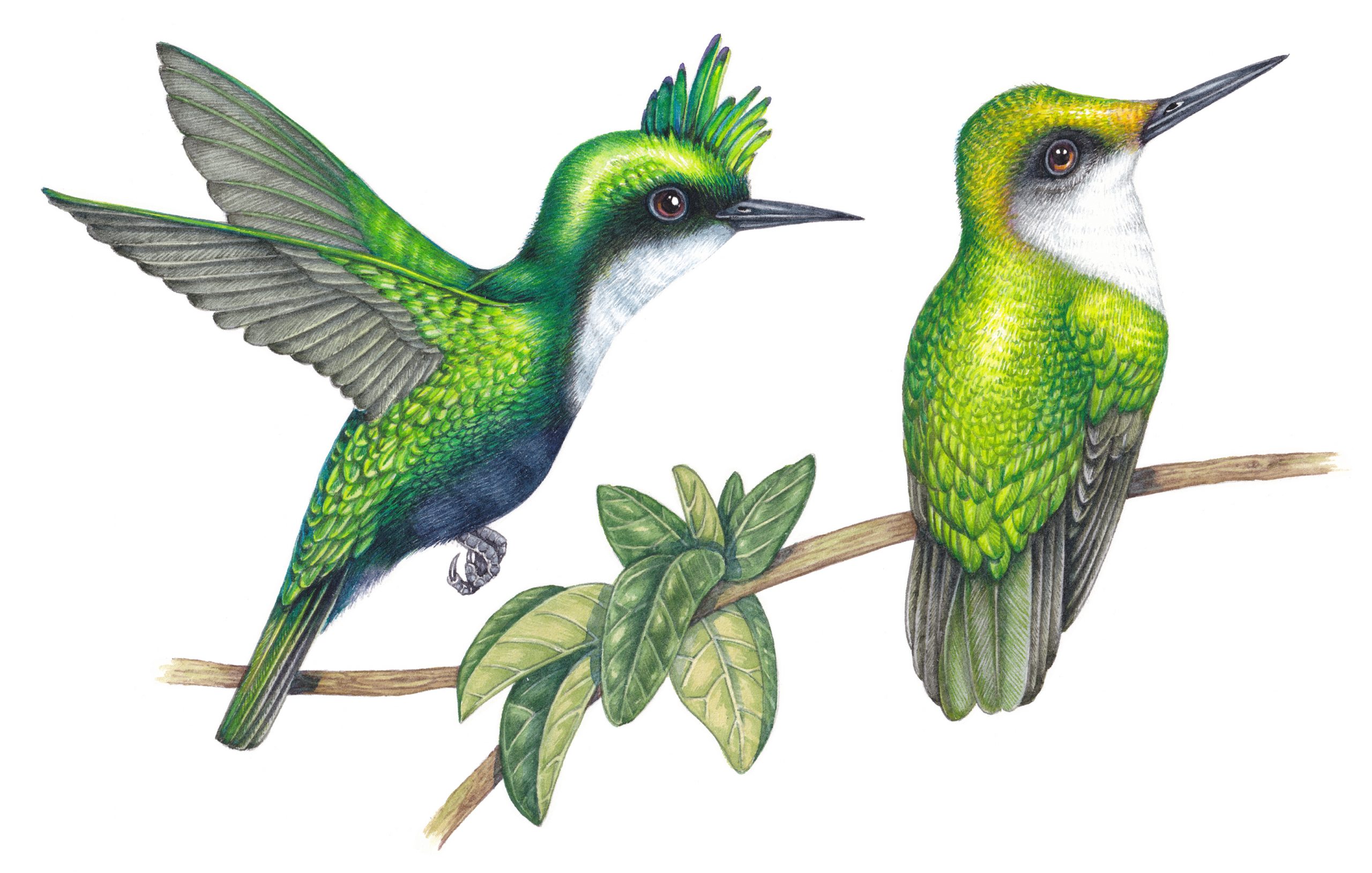
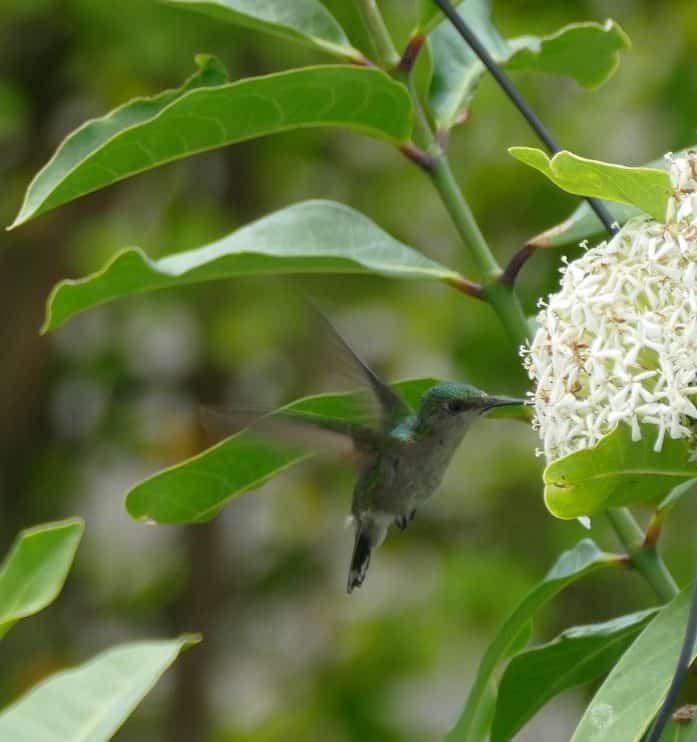
Antillean Crested Hummingbird
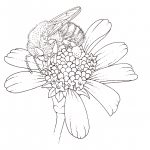
Activity: Colouring sheet

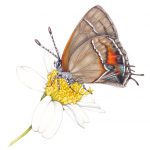
Angerona Hairstreak
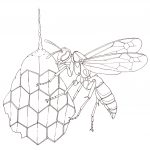
Activity: Colouring sheet

Caribbean Paper Wasp
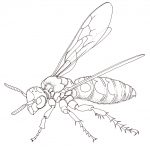
Activity: Colouring sheet

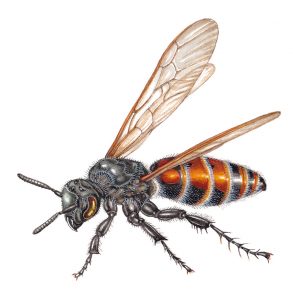
Montserratian Wasps
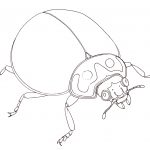
Activity: Colouring sheet

Spotless Ladybird
Wind pollination

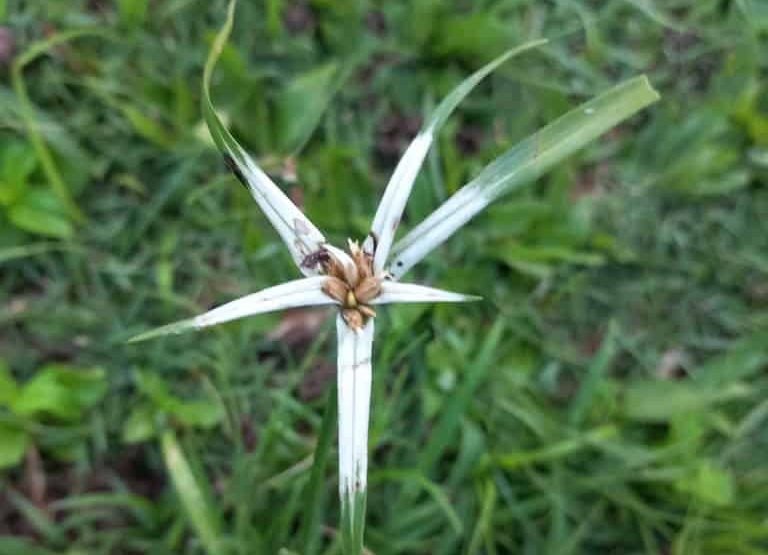
Some plants are pollinated by the wind. For example, many grasses are pollinated by the wind.

Rather than having colourful flowers with nectar that attract animal pollinators, wind-pollinated plants tend to have smaller flowers.

Yerba de Estrella

Activity: Plant lifecycles (simple)

Make your own plant lifecycle (Grade 2)

Activity: Plant lifecycles (detailed)

Make your own plant lifecycle (Grade 5-6)