Nature connections: Lifecycles

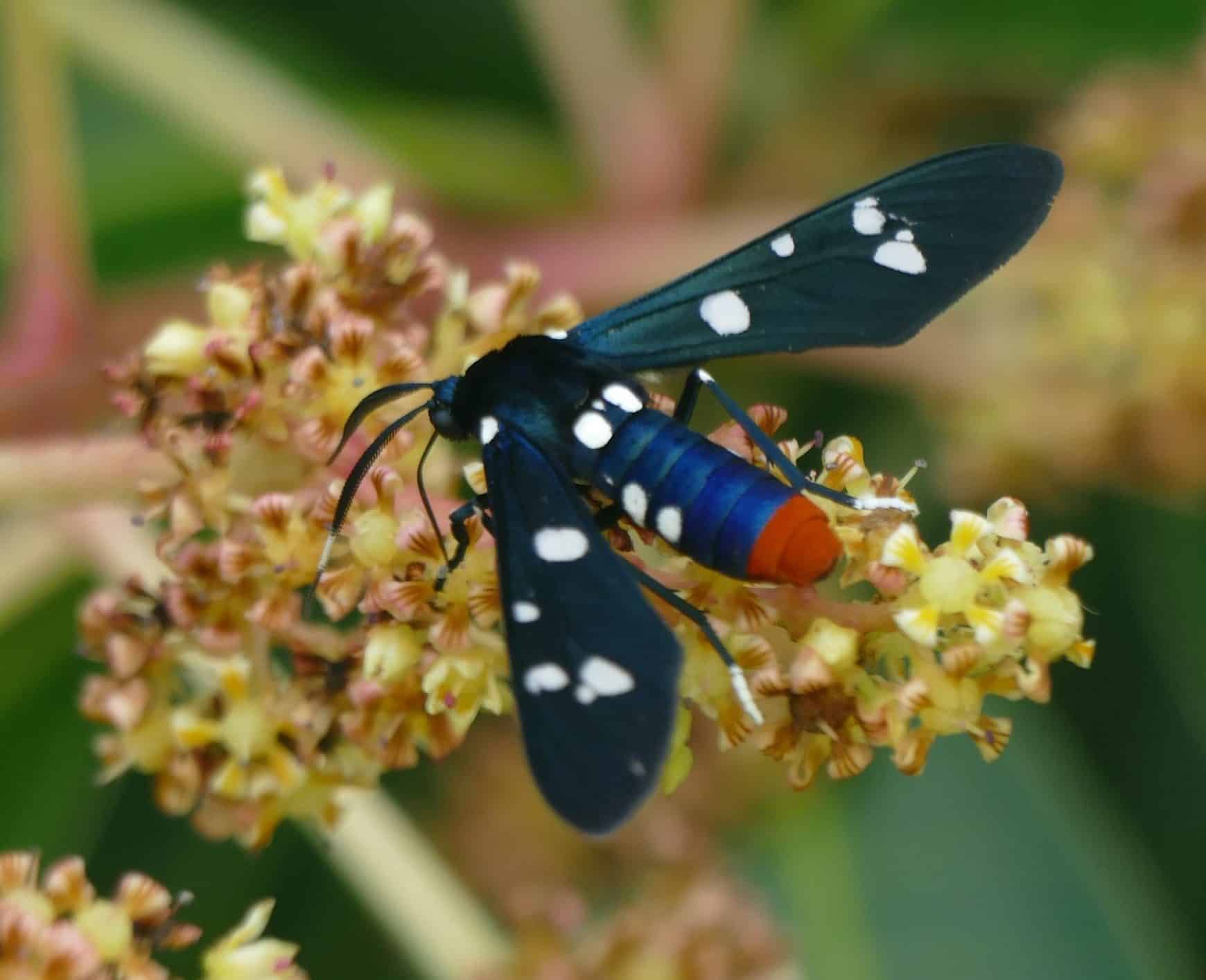
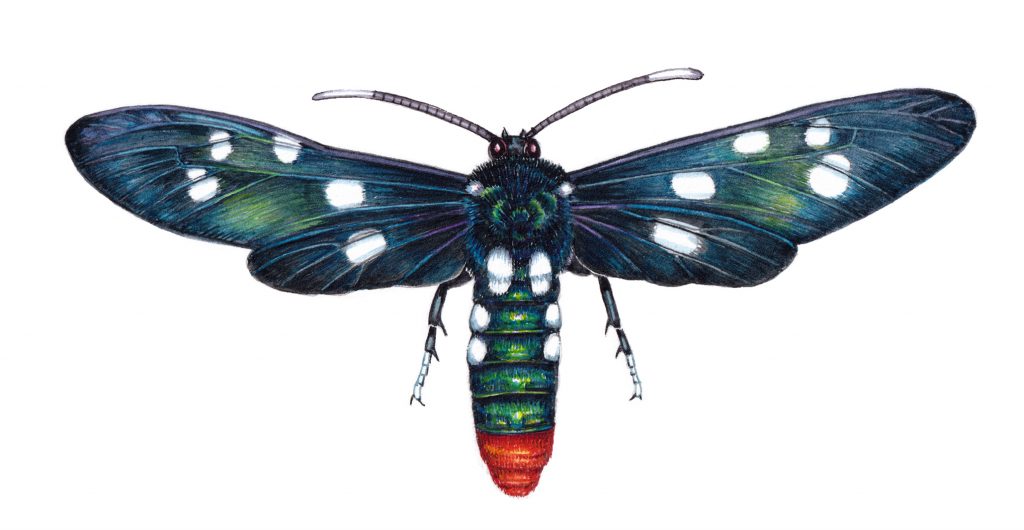
Polka dot wasp

Every plant and animal that lives on Montserrat goes through a lifecycle. Lifecycles show how living things change through their lives, and how new animals and plants are made.

Although each species of plant or animal is unique, many follow a similar set of stages in their lifecycles.

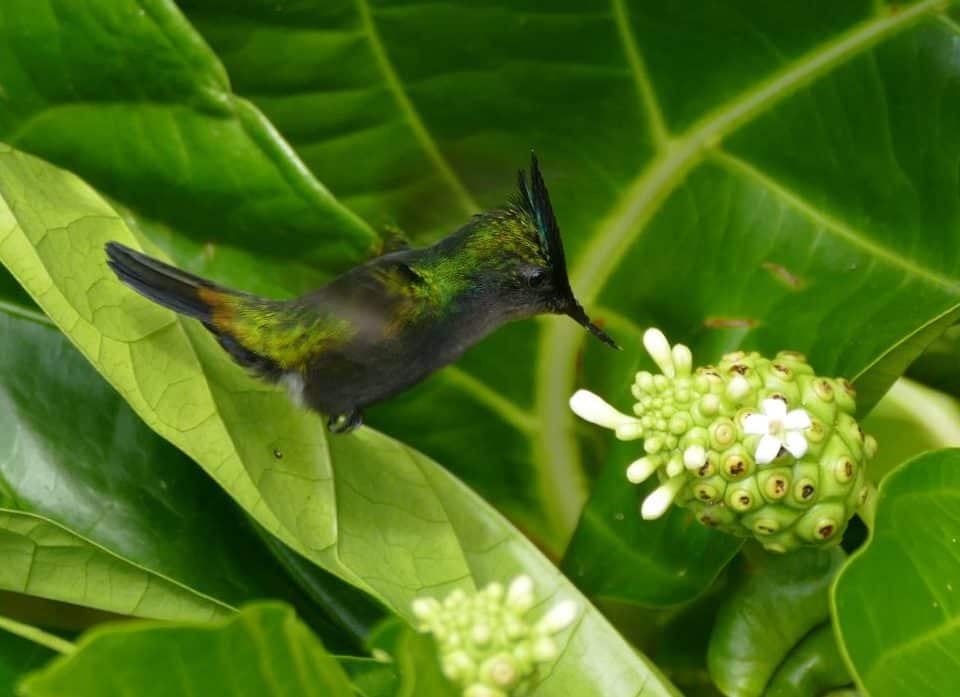
Some species depend on others, or the environment, to complete their lifecycle. For example, whenever a hummingbird drinks nectar from a flower, it may play a part in the plant’s lifecycle by pollinating it.  

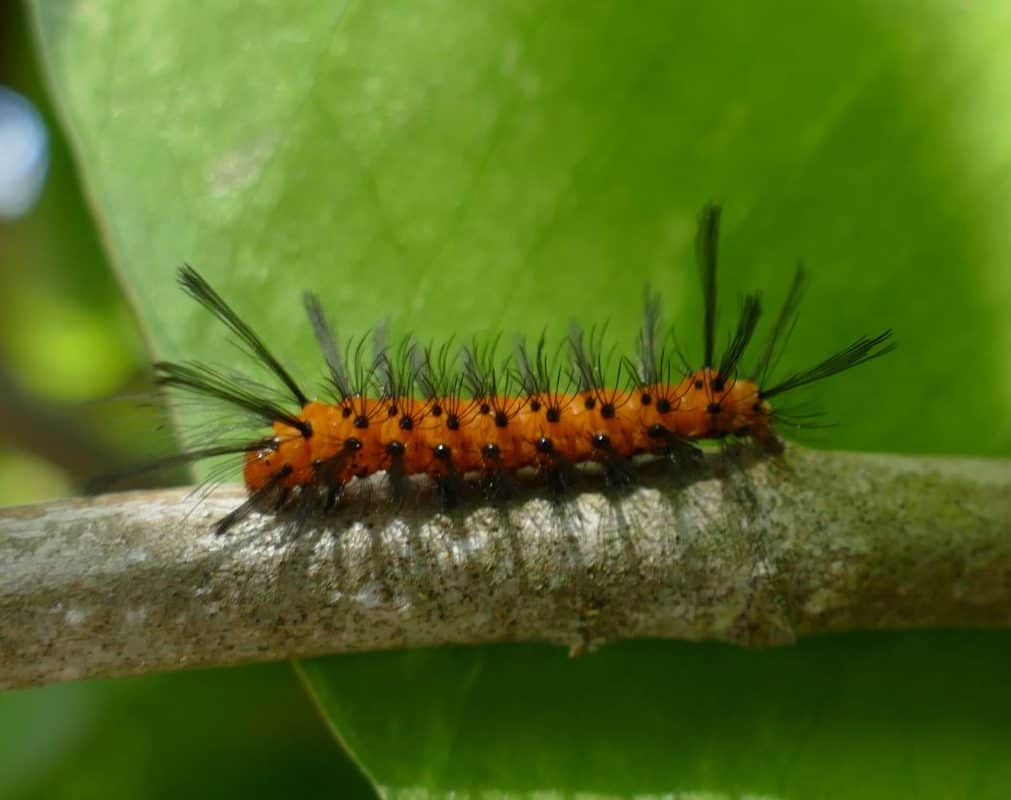
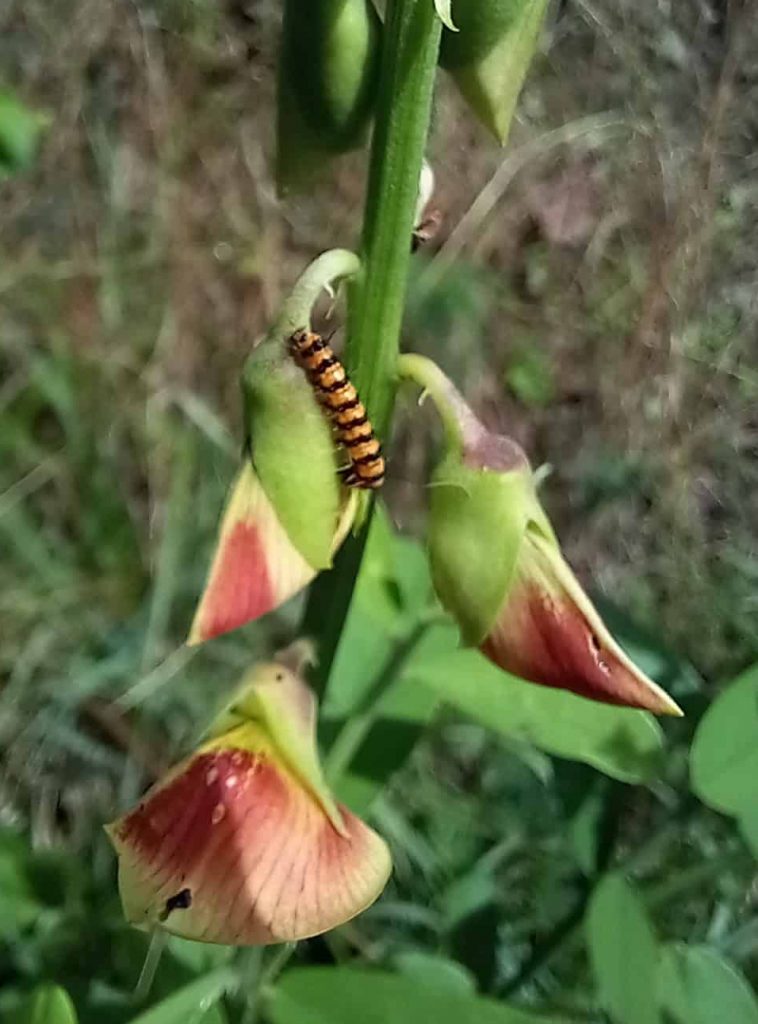
Rattlepod Moth caterpillar

Plant lifecycles

Most plants start life as seeds. There are many kinds of plants living on Montserrat, with different ways of living.

If seeds are in the right conditions, they grow roots into the ground, and shoots into the air. Leaves grow, giving the plant energy to grow flowers. These are pollinated, and fruits grow, with seeds inside. The seeds get dispersed, and new plants start to grow. The lifecycle begins again!

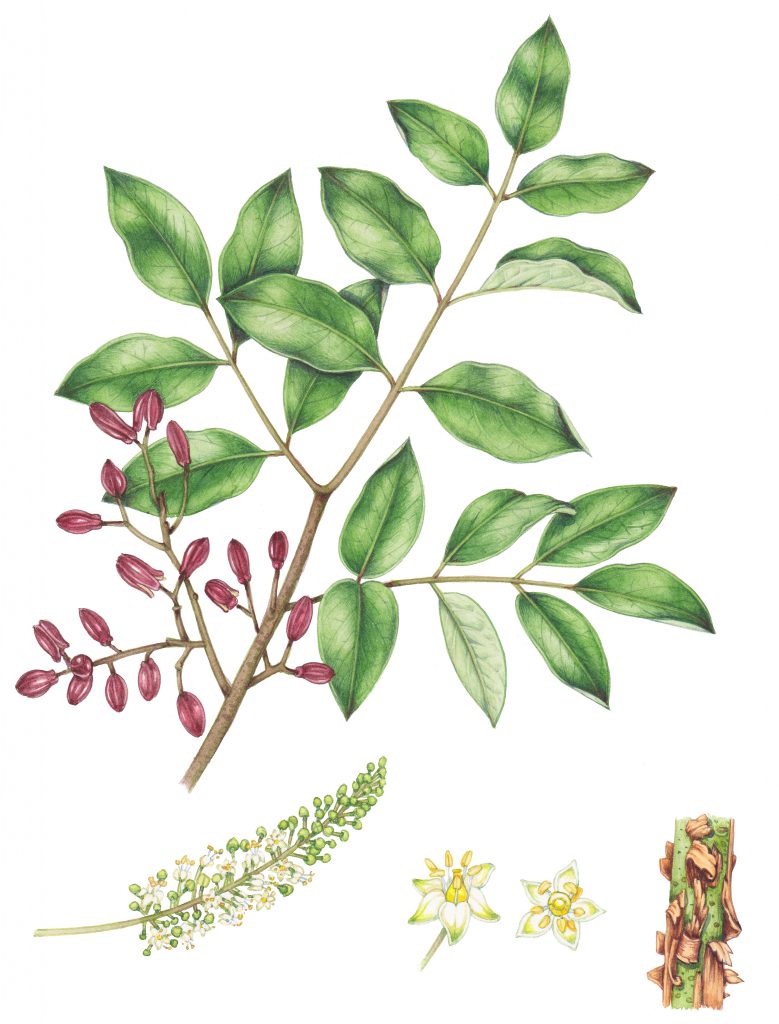
Gumbo-limbo
Gumbark Tree
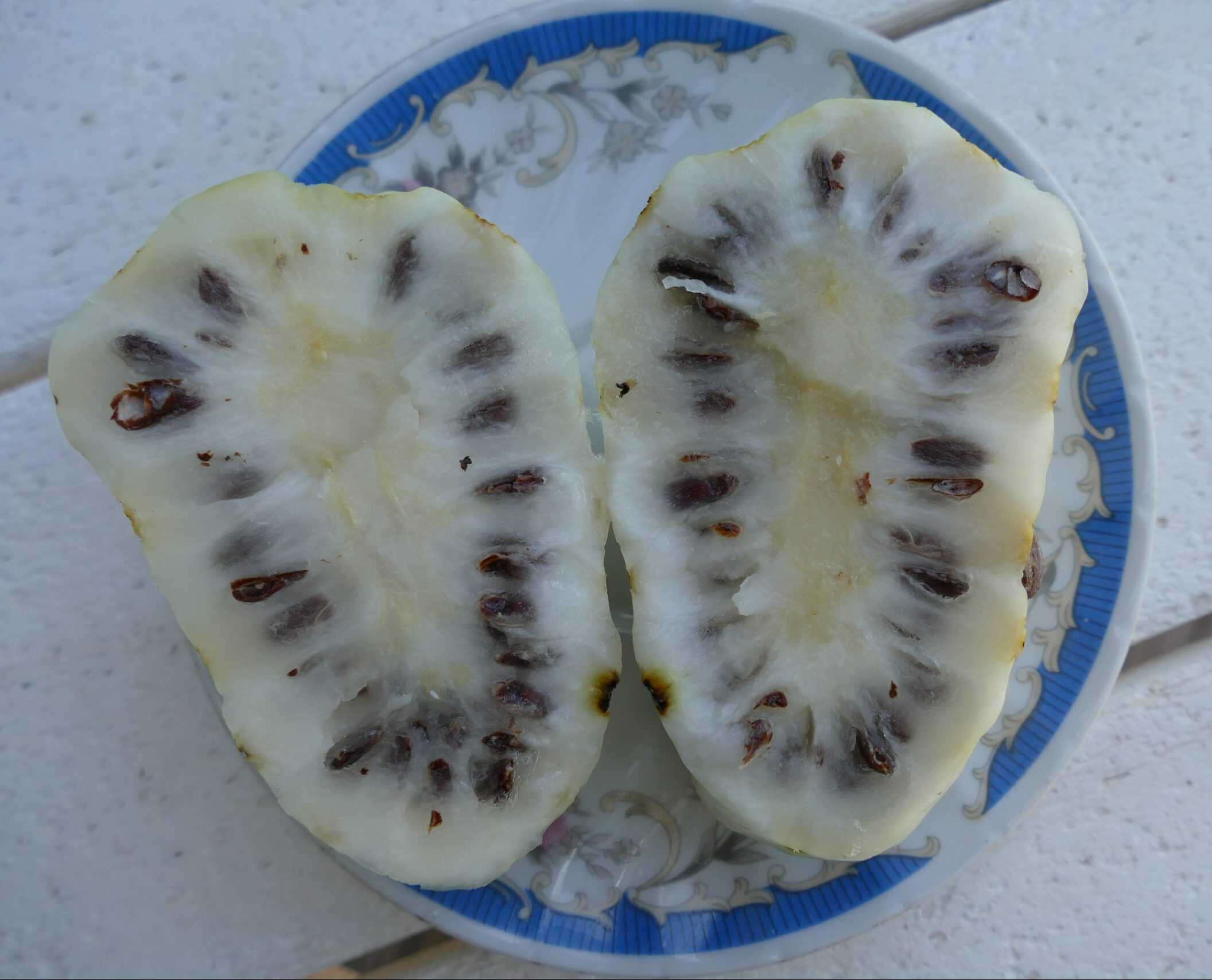
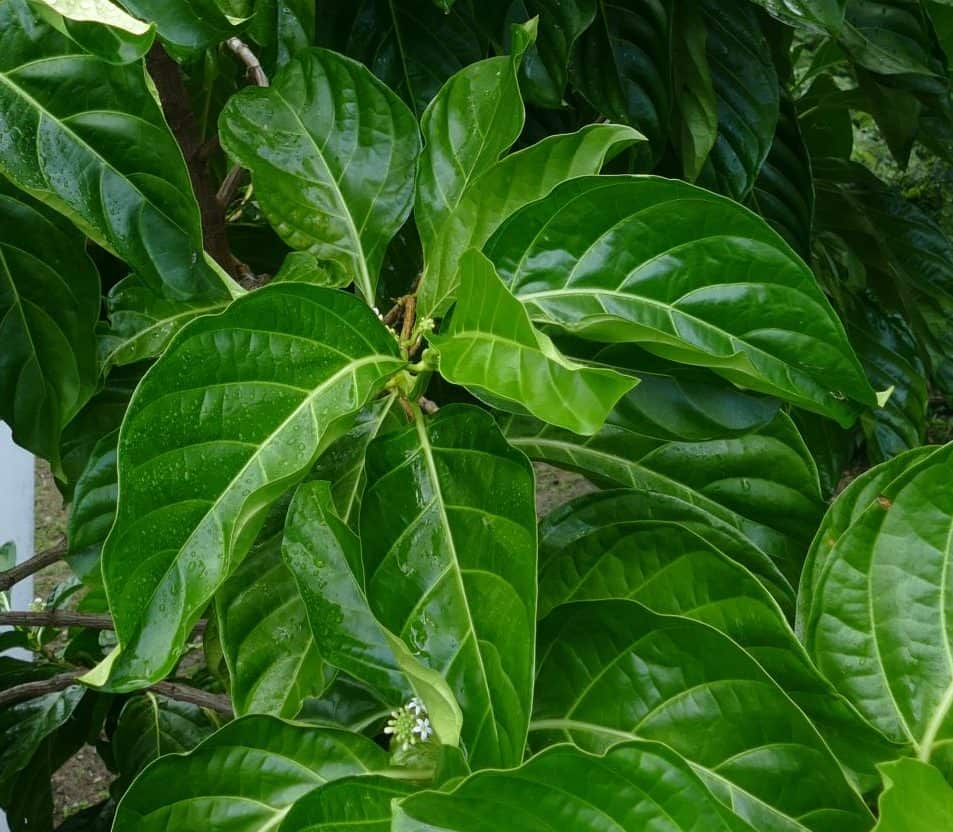
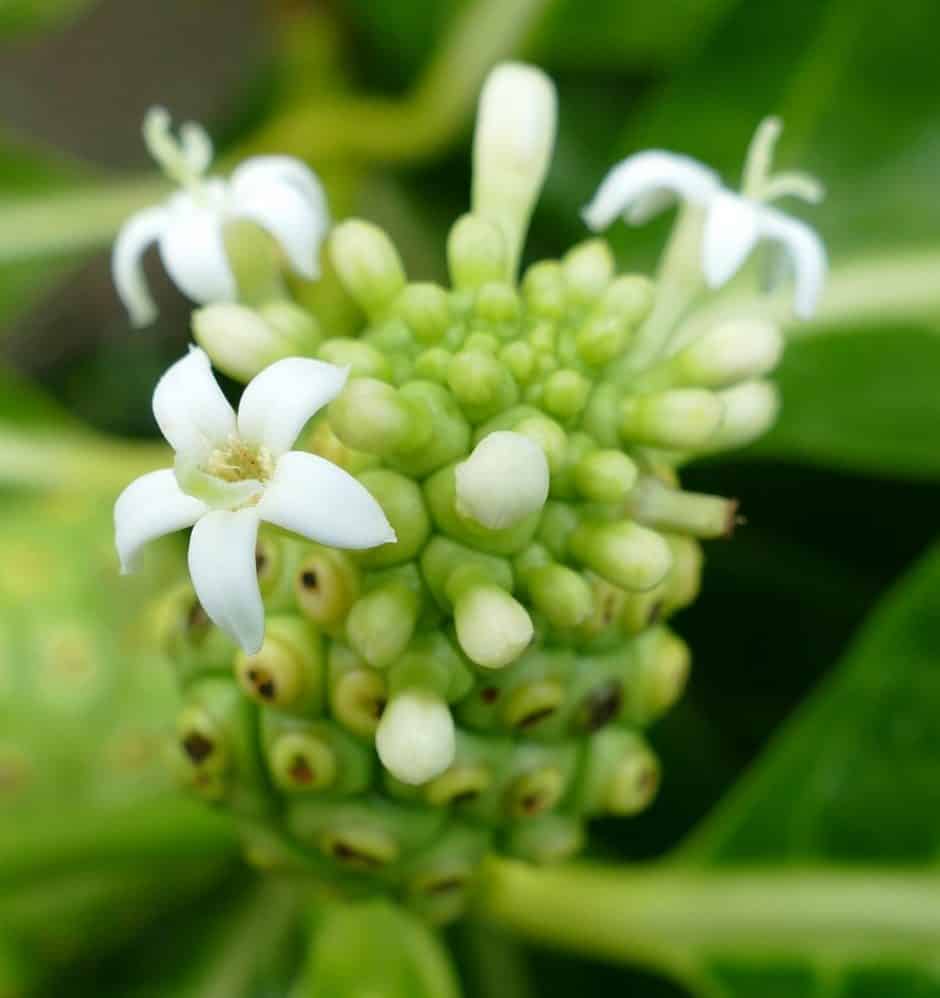
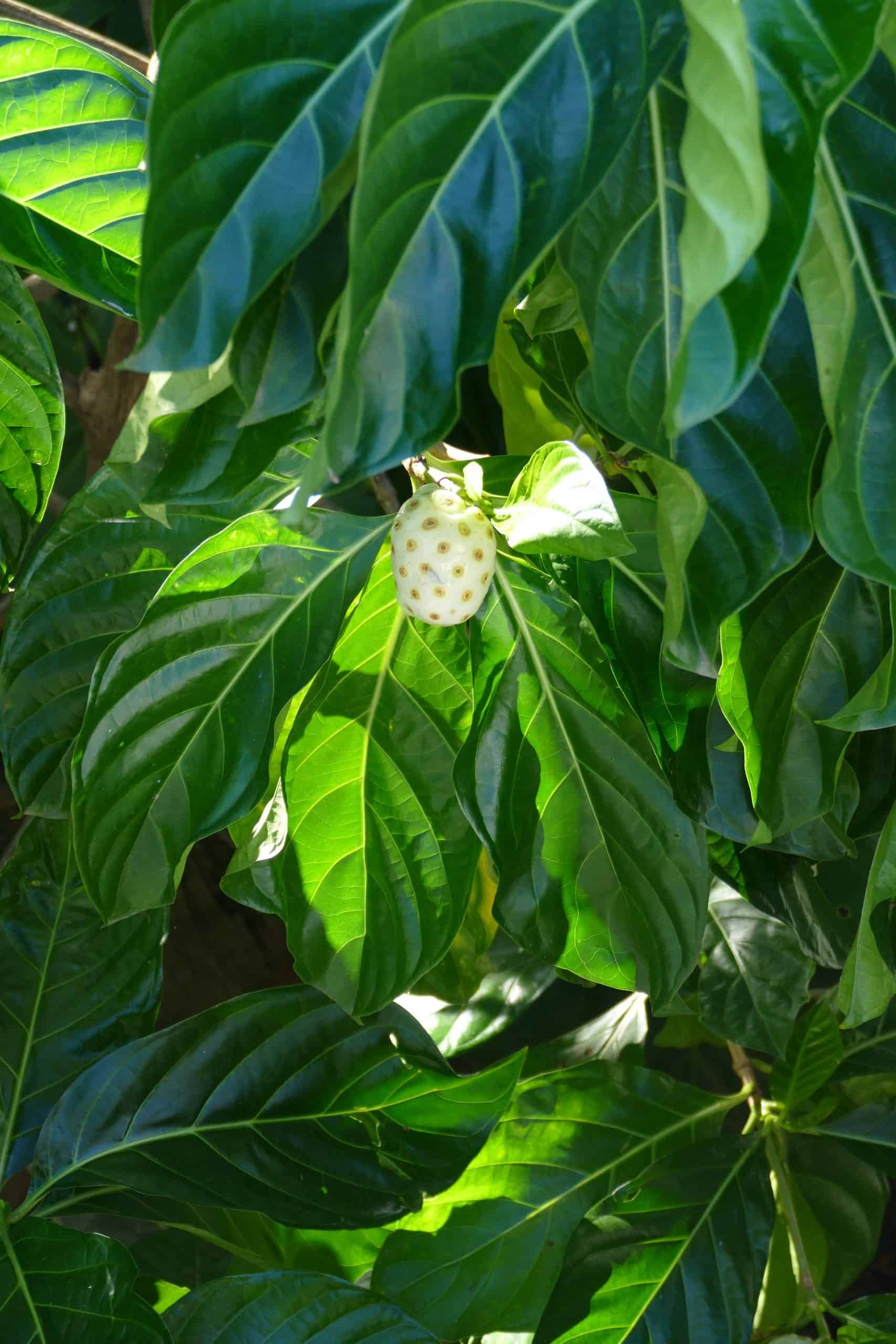
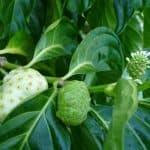
Click on each stage of this Noni tree’s lifecycle to find out more:

Activity: Plant lifecycles (simple)

Make your own plant lifecycle (Grade 2)

Activity: Plant lifecycles (detailed)

Make your own plant lifecycle (Grade 5-6)
Activity: Colouring sheet

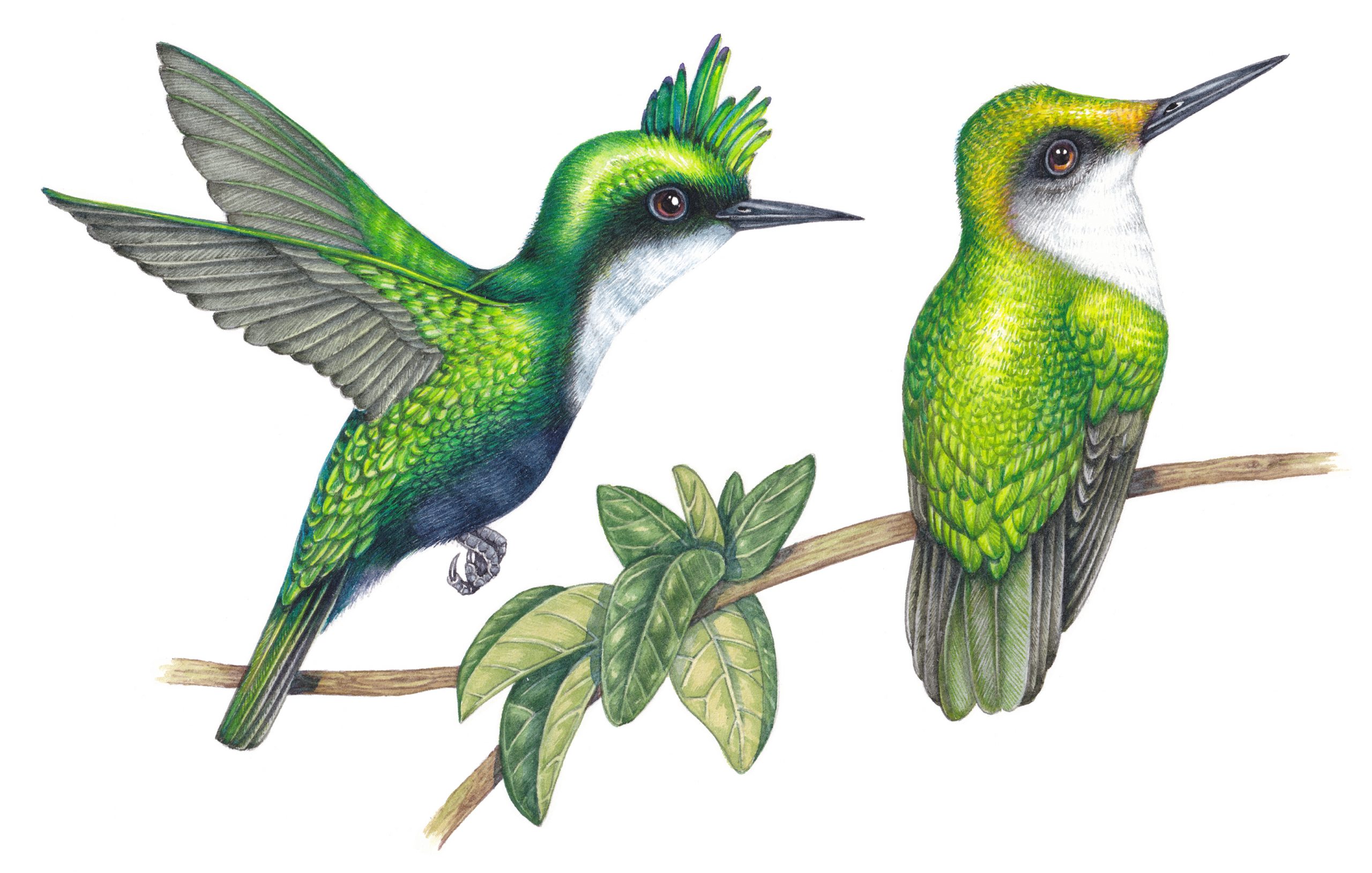
Antillean Crested Hummingbird
Activity: Colouring sheet

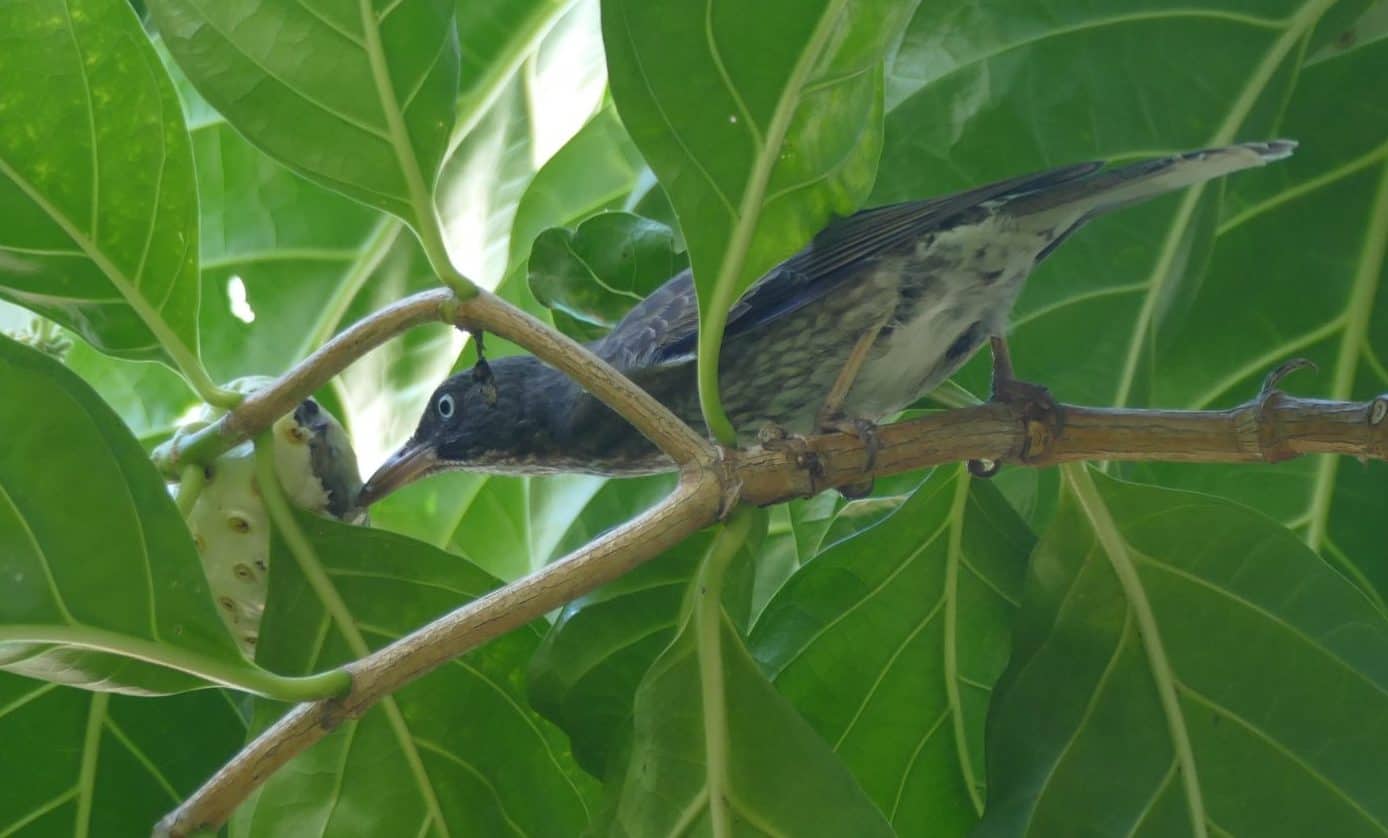
Pearly-eyed Thrasher
Butterfly and moth lifecycles

Insects start their lives as eggs, laid by female insects. When young insects hatch, they are called larvae (larva is the word for just one baby insect). Some larvae look like mini versions of the adults, like grasshoppers. The larvae of some insects look very different from the adults; think about how different caterpillars and butterflies look.

The larvae eat lots of food, and grow. Some get bigger until they become adults, like grasshoppers. Others, like butterflies and moths, and have another stage in their lifecycle: pupation. When caterpillars pupate, they metamorphose (change) into an adult that looks very different. They come out of their pupae as adults with wings.

After male and female adult insects have mated, the female may lay eggs, and the lifecycle starts again.

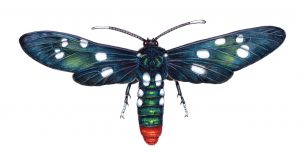
Polka dot wasp
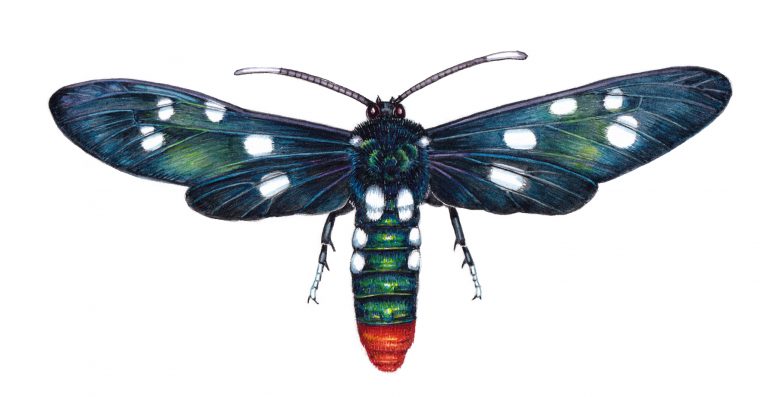
Polka-dot Wasp Moth
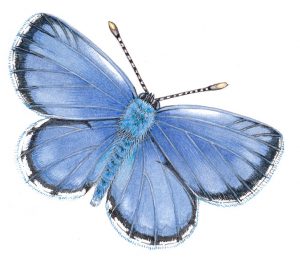
Hanno blue butterfly
Hanno Blue
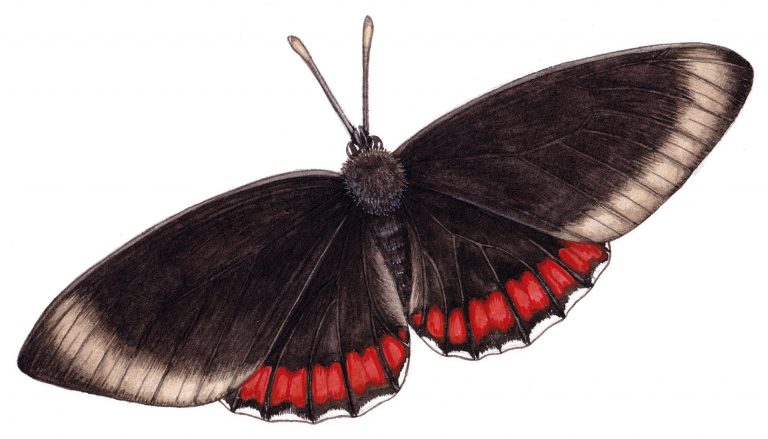
Southern red rim butterfly
Southern Red Rim
Click on each stage of this Polka-dot Wasp Moth’s lifecycle to find out more:
Polka dot wasp

Activity: Insect lifecycles

Make your own insect lifecycle (Grade 2)
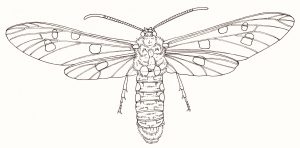
Activity: Colouring sheet

Polka-dot Wasp Moth
Amphibian lifecycles

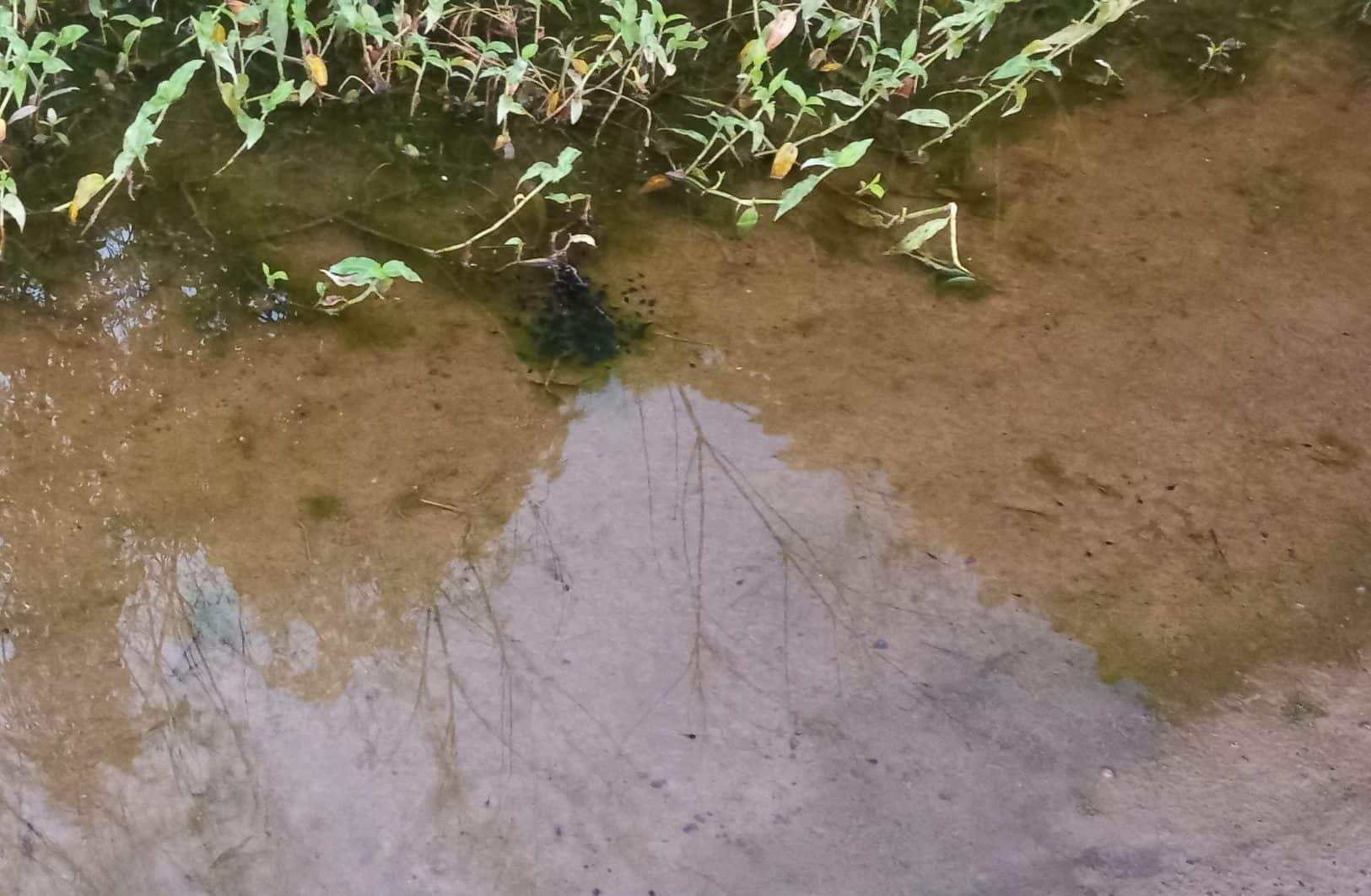
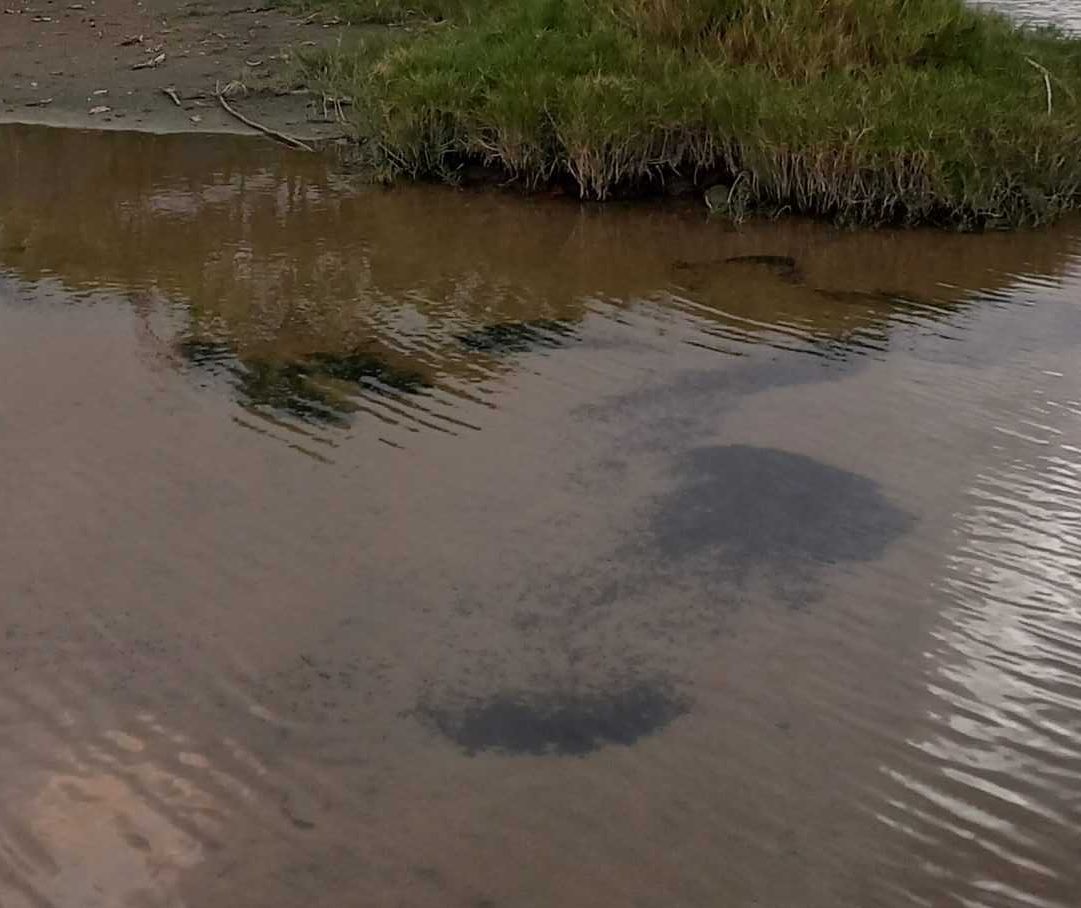
Amphibians start their lives as eggs, usually laid in fresh water, or a damp place. The eggs develop until they become tadpoles. Tadpoles have gills and breathe in water.

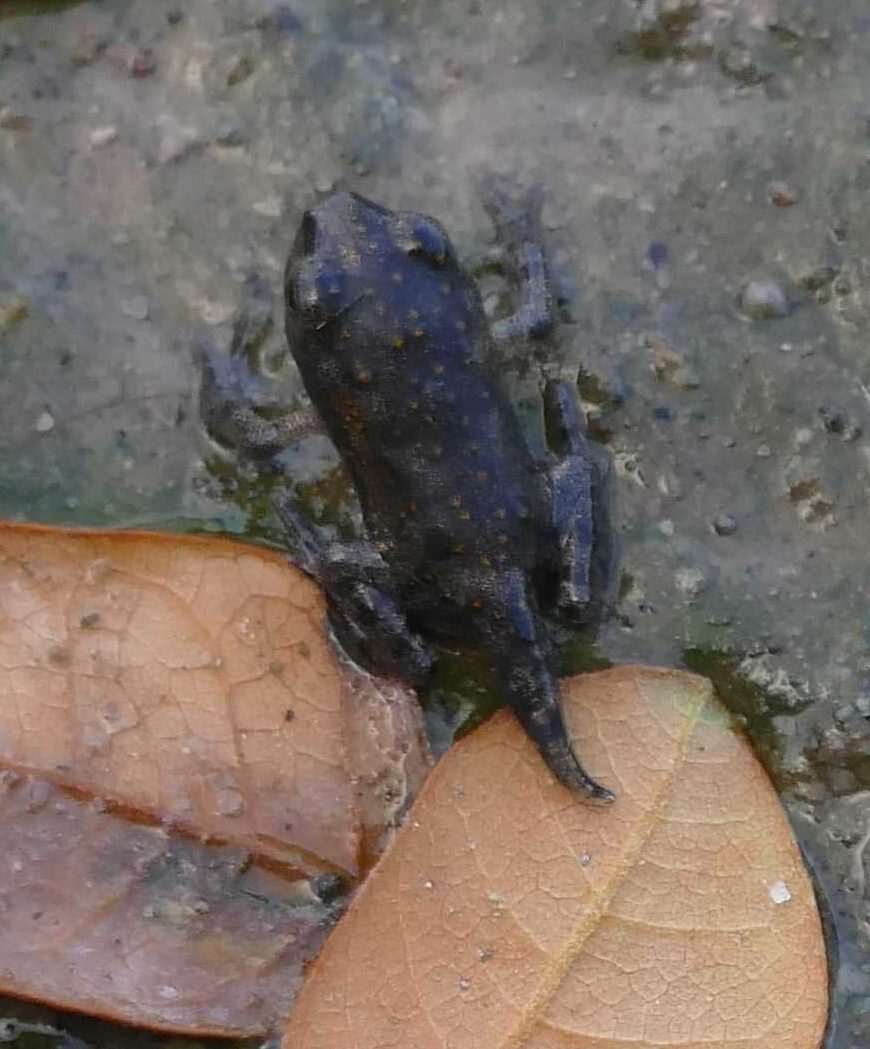
Tadpoles feed and grow larger. Over time, their bodies start changing, and they gradually metamorphose into adults. Adult amphibians have lungs and breathe air. If male and female adults mate, then the female may lay eggs. She has to find somewhere safe and watery so that they can develop, and the lifecycle starts again.

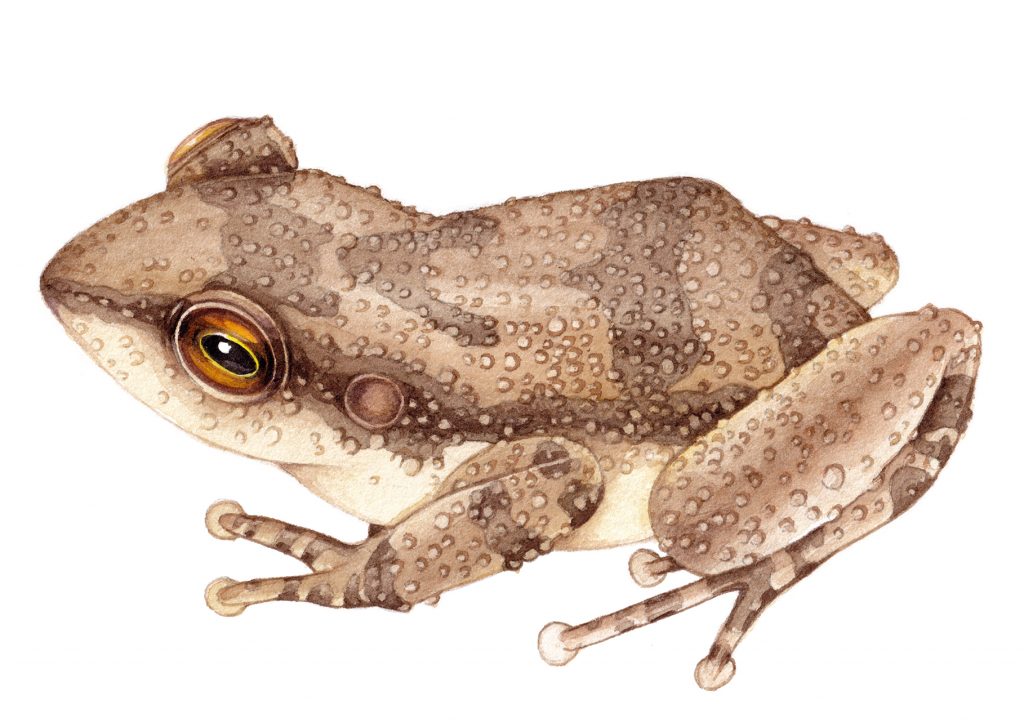
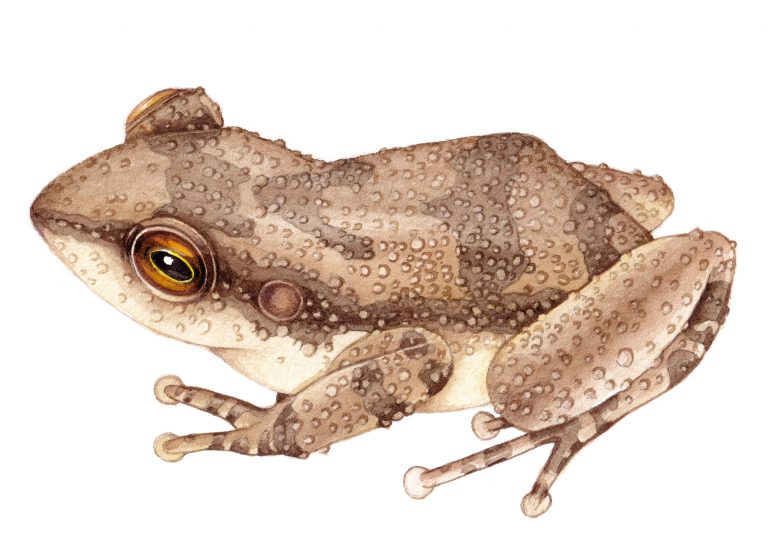
Montserrat Whistling Frog
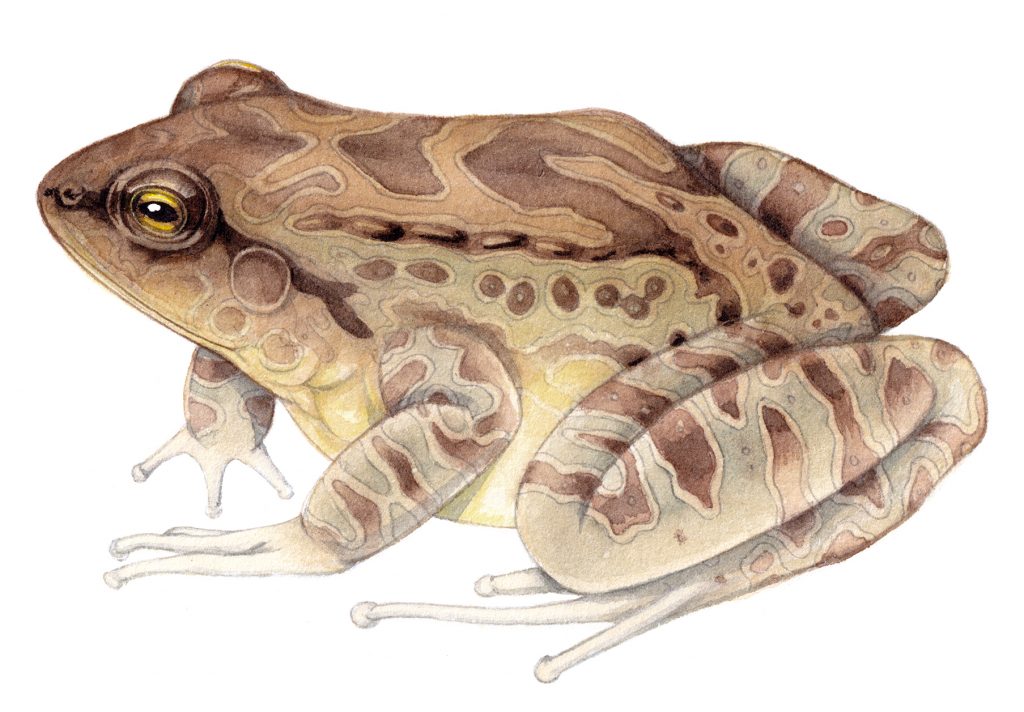
Mountain Chicken
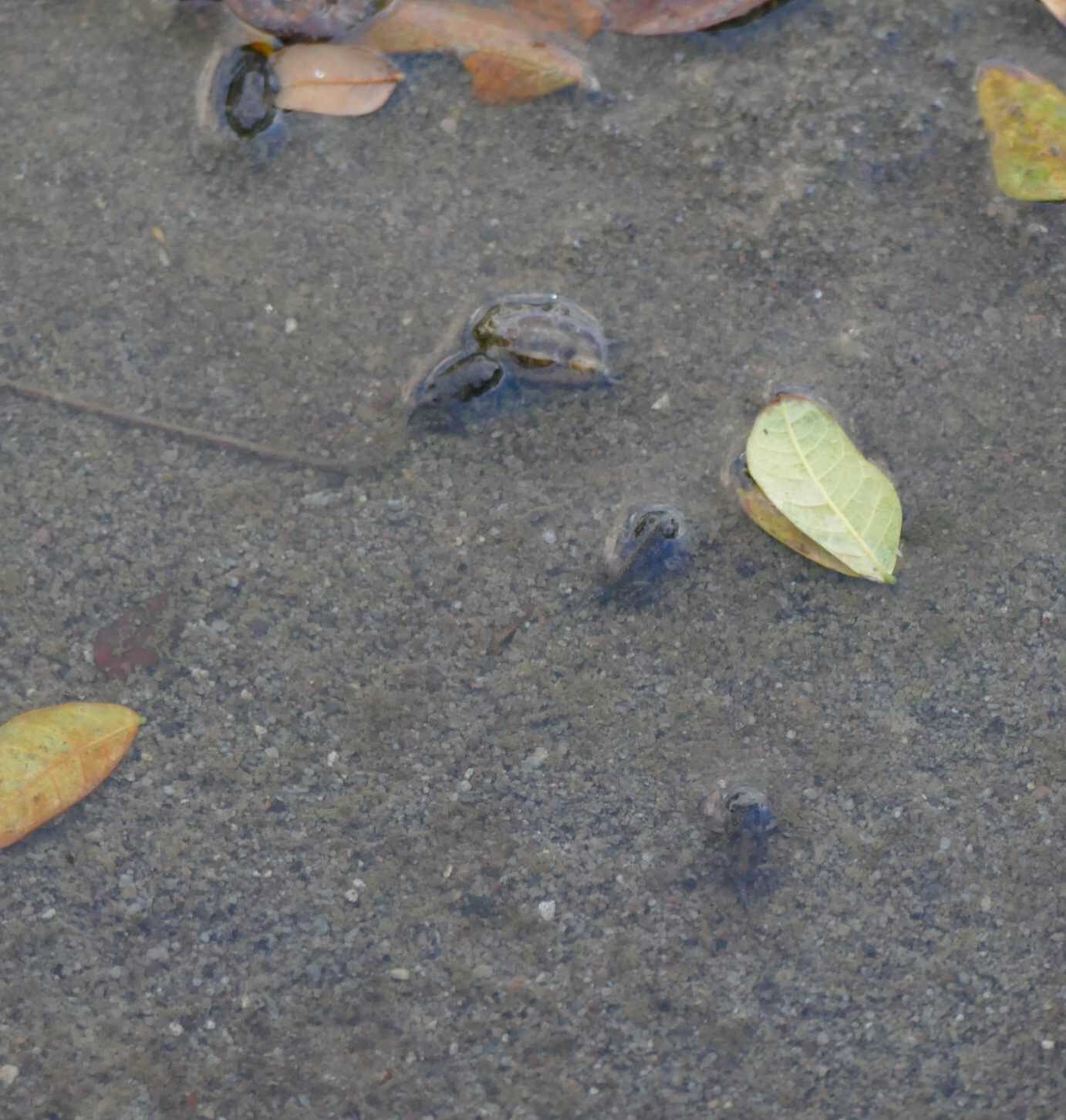
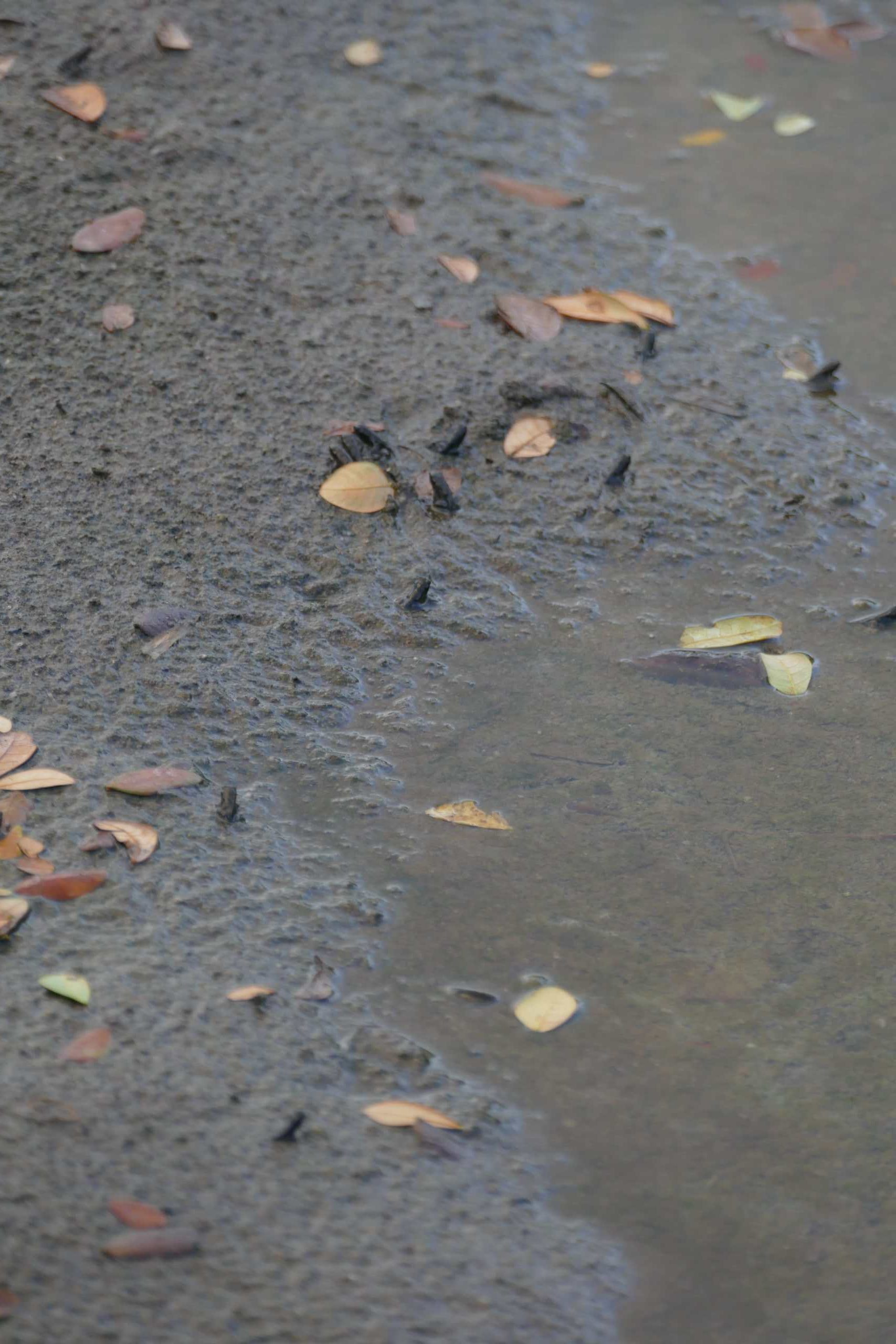
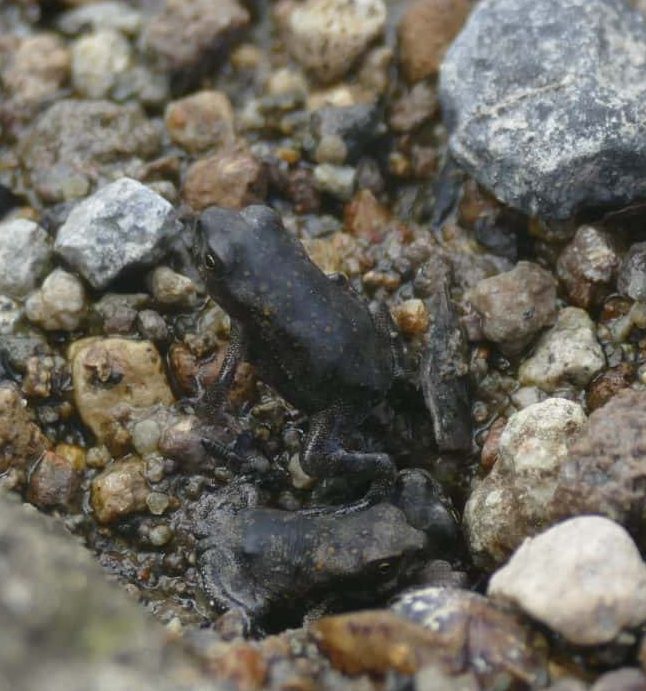
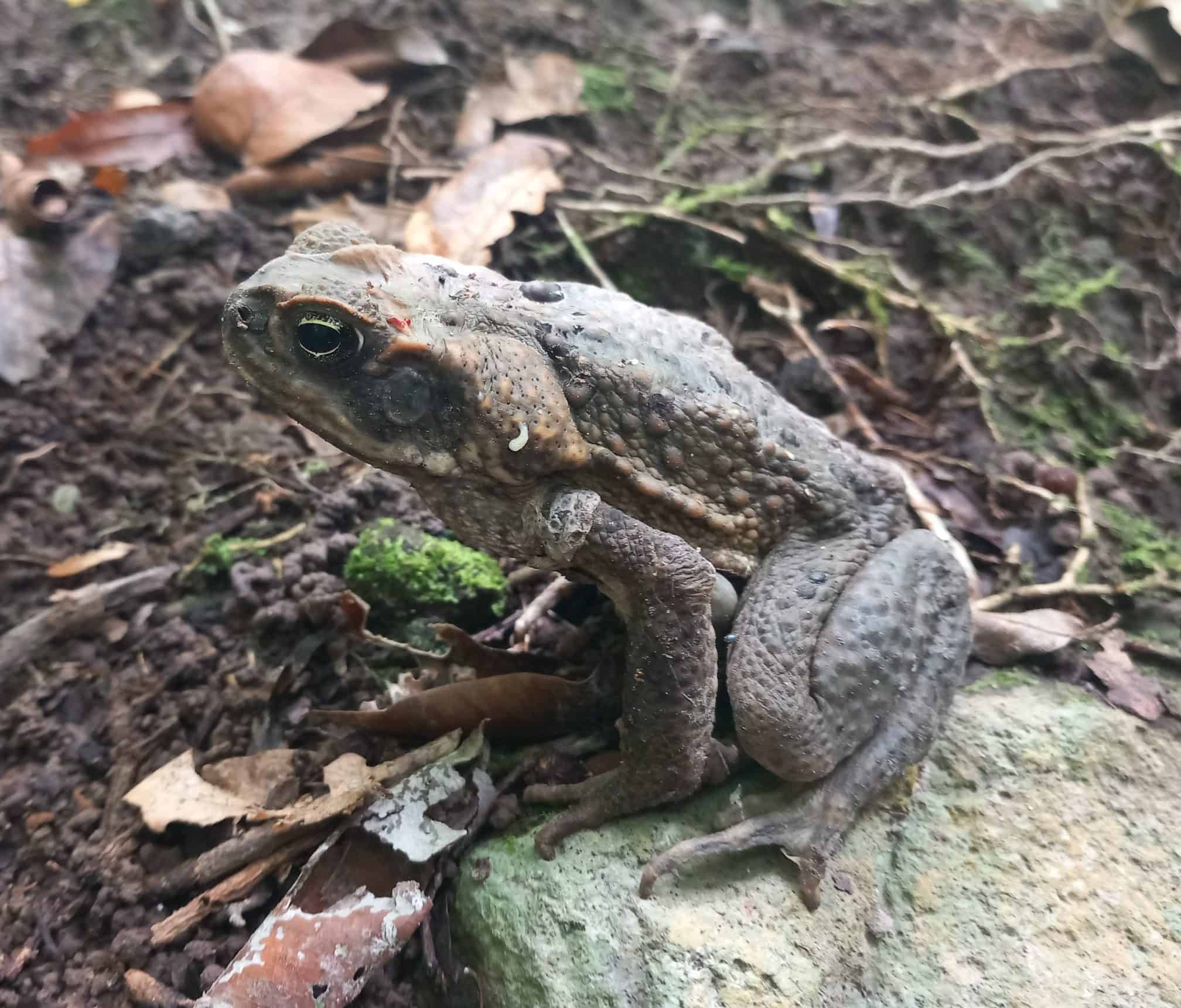
Click on each stage of this Cane Toad’s lifecycle to find out more.

Activity: Amphibian lifecycles

Make your own amphibian lifecycle (Grades 2-5)
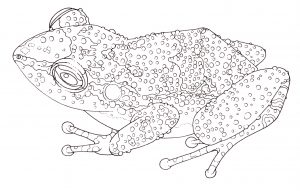
Activity: Colouring sheet

Montserrat Whistling Frog