Montserrat's biodiversity: Teacher resources

Here you can find resources for teachers, carers, and young people, linked to Montserrat’s biodiversity and wellbeing. They all use Montserrat’s biodiversity as examples.

There are downloadable worksheets and activities for younger children, and links to further sources of information for older students to research.

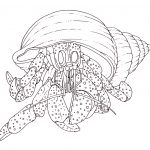
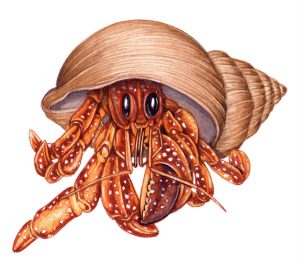
Caribbean Hermit Crab

Colouring sheets: animals

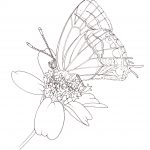
Activity: Colouring sheet

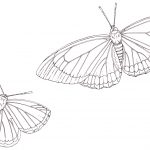
Angerona Hairstreak
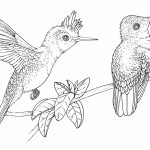
Activity: Colouring sheet

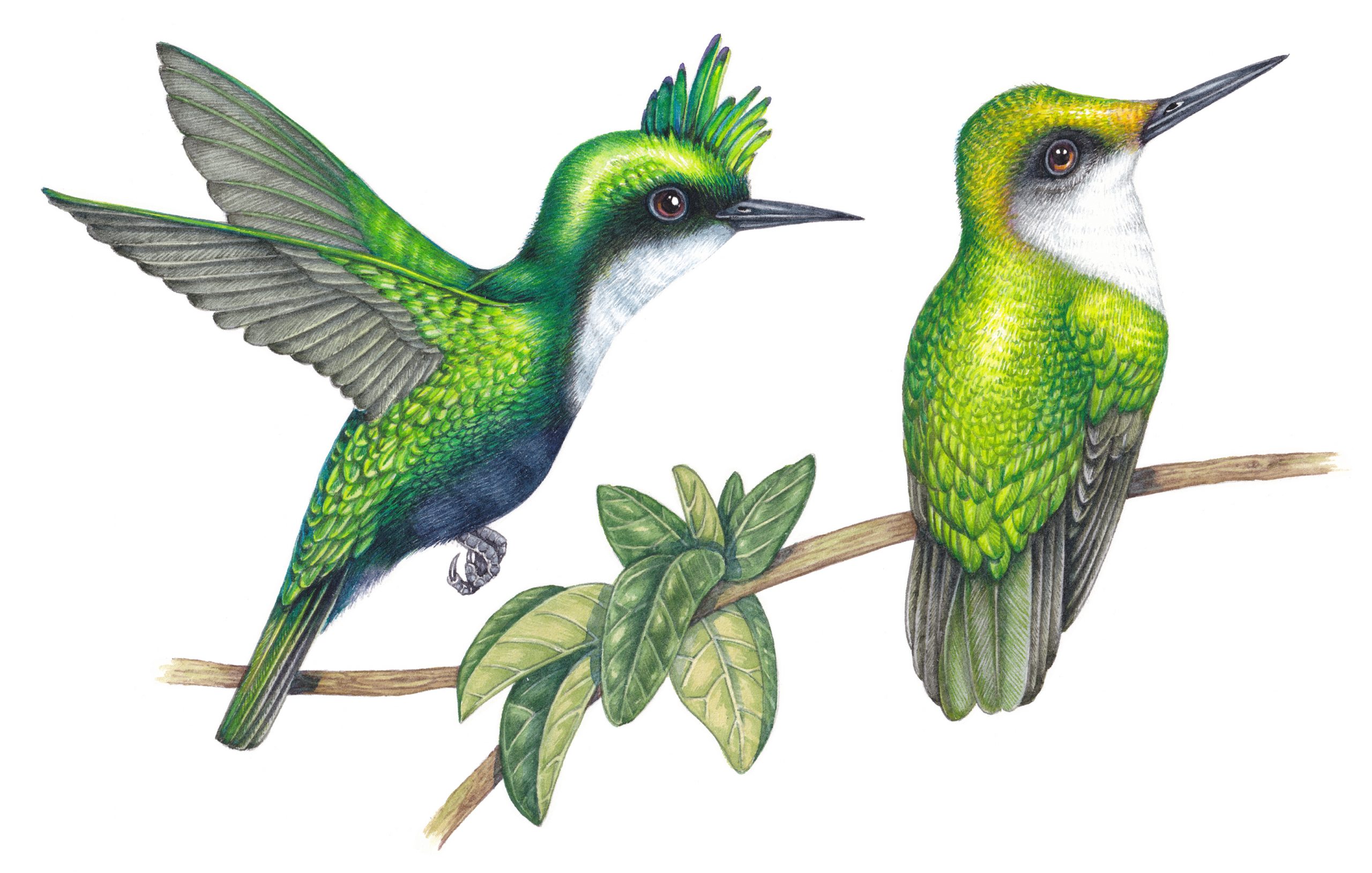
Antillean Crested Hummingbird
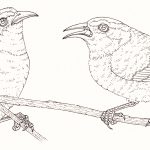
Activity: Colouring sheet

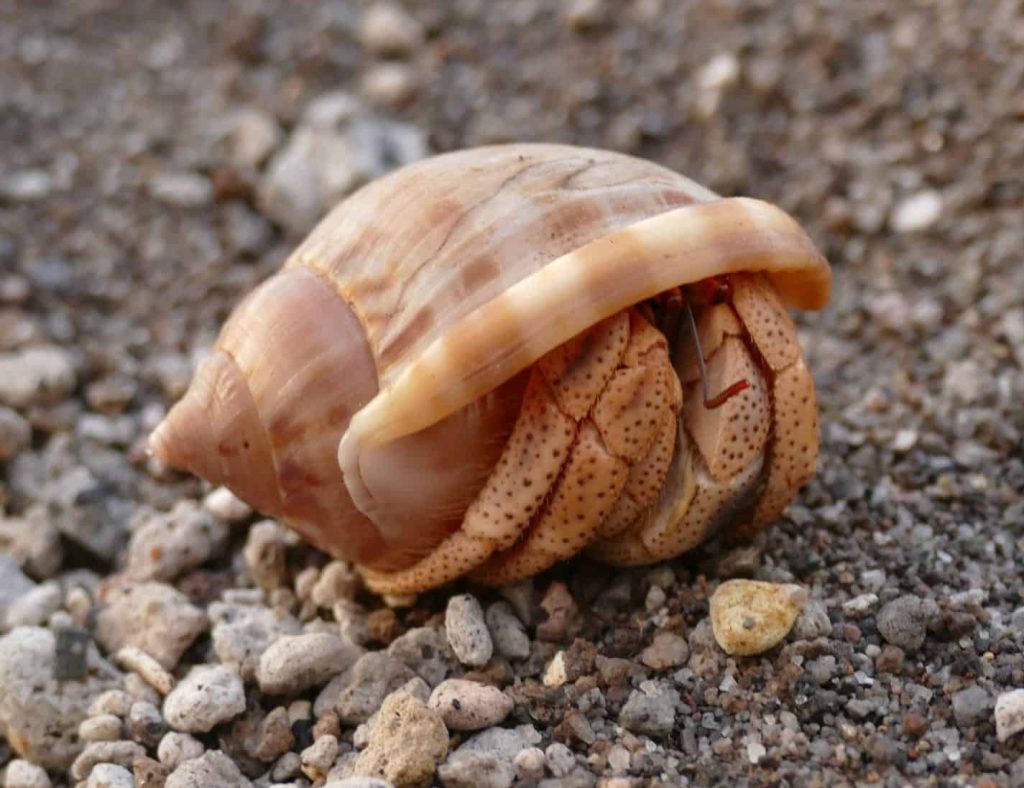
Caribbean Hermit Crab
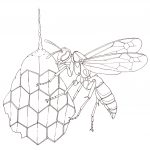
Activity: Colouring sheet

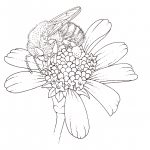
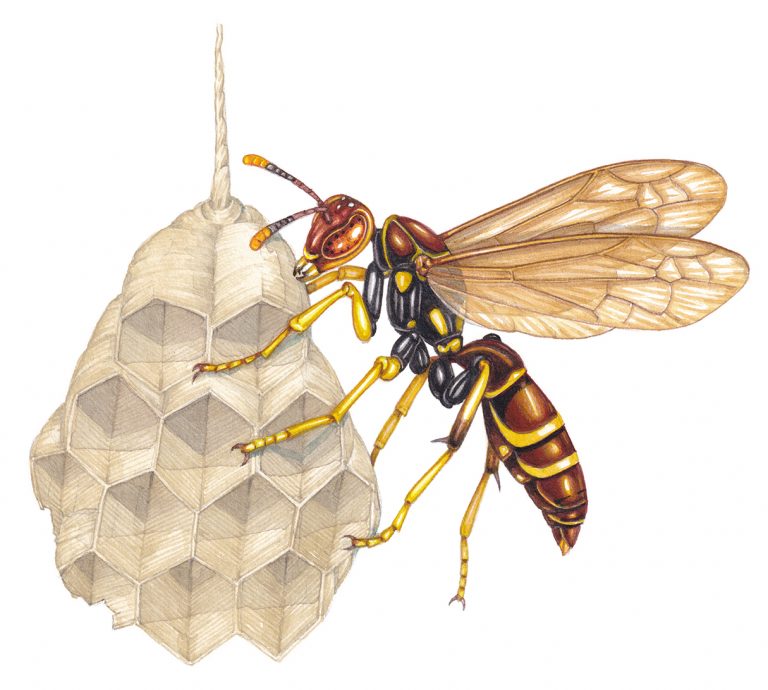
Caribbean Paper Wasp
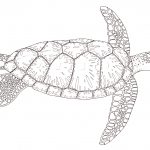
Activity: Colouring sheet

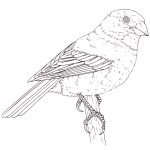
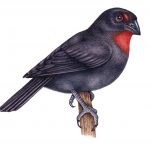
Lesser Antillean Bullfinch
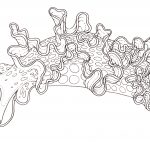
Activity: Colouring sheet

Montserratian butterflies
Activity: Colouring sheet

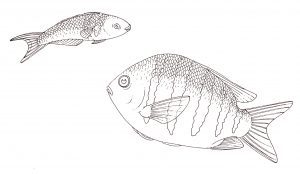
Montserratian fish
Activity: Colouring sheet

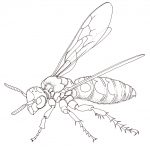
Montserratian Wasps
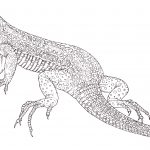
Activity: Colouring sheet

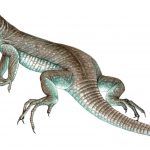
Montserrat Ameiva
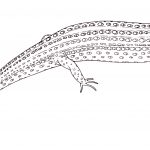
Activity: Colouring sheet

Montserrat Galliwasp
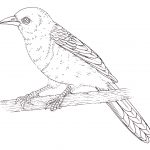
Activity: Colouring sheet

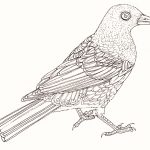
Montserrat Oriole

Activity: Colouring sheet

Montserrat's endemic animals
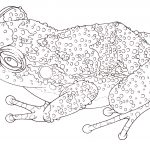
Activity: Colouring sheet

Montserrat Whistling Frog
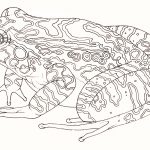
Activity: Colouring sheet

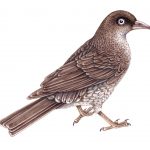
Pearly-eyed Thrasher
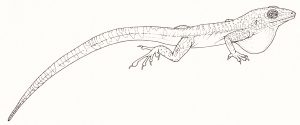
Activity: Colouring sheet

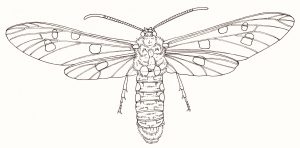
Polka-dot Wasp Moth
Activity: Colouring sheet

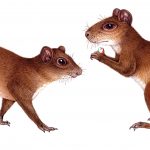
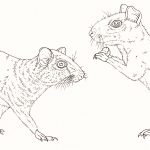
Red-rumped Agouti
Activity: Colouring sheet

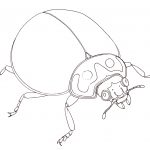
Spotless Ladybird
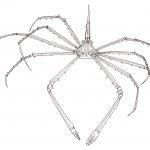
Activity: Colouring sheet

Yellowline Arrow Crab
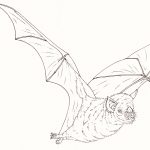
Activity: Colouring sheet

Yellow-shouldered Bat

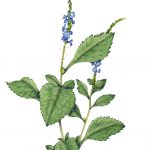
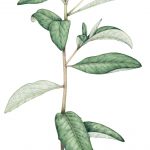
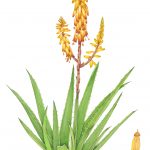
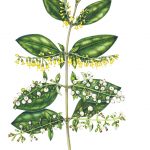
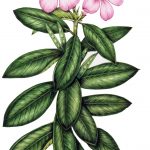
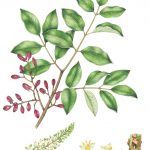
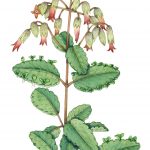
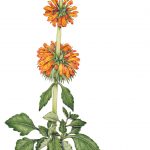
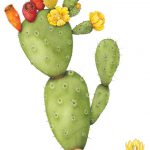
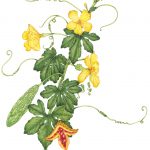
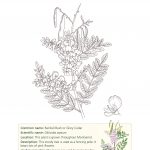
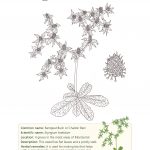
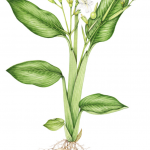
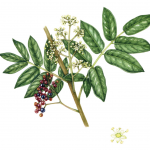
Colouring sheets: plants

Grade K:

Life Sciences > Diversity and Classification > Characteristics of Animals > Identify and describe characteristics of different animals
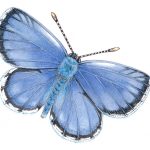
Hanno blue butterfly

Activity: Animal names

Help these animals complete their names (Grades K)

Life Sciences > Ecosystems > Habitats of Animals > Identify homes/habitats of animals

Activity: Animal homes

Help each animal find its home! (Grades K-1)
Activity: Animal habitats

Which animals belong where? (Grades K-1)
Life Sciences > Ecosystems > Interactions between Plants and Animals > Identify some ways in which plants and animals depend on each other
Life Sciences > Ecosystems > Parts of Animals > Identify the external parts of different animals
Life Sciences > Ecosystems > Parts of Plants > Identify the main parts of a plant

Grade 1:

Life Sciences > Diversity and Classification > Characteristics of Living Things > Identify and describe characteristics of living things
Life Sciences > Diversity and Classification > Characteristics of Animals > Classify animals as wild and domestic
Life Sciences > Diversity and Classification > Characteristics of Animals > Identify, by sight or by sound, a wide variety of animals
Life Sciences > Ecosystems > Animal Habitats > Observe and name homes of different types of animals
Life Sciences > Ecosystems > Human and Animal Homes > Compare human and animal homes

Activity: Animal homes

Help each animal find its home! (Grades K-1)

Life Sciences > Ecosystems > Caring for Plants and Animals > Appreciate the importance of caring for plants and animals and the environment in which they live; Describe ways that people can care for habitats

Activity: Me and biodiversity

How do you fit into Montserrat's biodiversity? (Grades 1-6)
Front cover of DPLUS192 Toolkit Management Options

Booklet: Biodiversity Toolkit

Find out more about helping wildlife
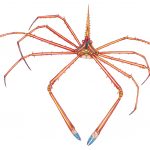
Life Sciences > Structure and Function > Invertebrates > Identify the main external parts of various invertebrates
Yellow line arrow crab

Activity: Invertebrate classification

Find out about invertebrate diversity (Grades 1-3)
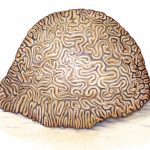
Activity: Invertebrates and Vertebrates

What's the difference? (Grades 1-3)
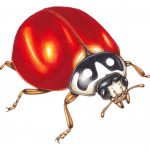
Life Sciences > Structure and Function > Parts of a Plant > Draw and label a diagram of the main external parts of a plant

Grade 2:

Life Sciences > Diversity and Classification > Classification of Plants > Classify plants according to their size; Identify different types of plants in Montserrat

Life Sciences > Ecosystems > Feeding in organisms and food chains > Compare the feeding
habits of organisms; Construct simple food chains

Activity: Food chains (simple)

Make your own food chain (Grade 2)

Life Sciences > Structure and Function > Development of Plants and Animals > Identify and name the different stages of plant development

Activity: Plant lifecycles (simple)

Make your own plant lifecycle (Grade 2)

Life Sciences > Structure and Function > Development of Plants and Animals > Identify and name different stages in animal development
Polka dot wasp

Activity: Insect lifecycles

Make your own insect lifecycle (Grade 2)
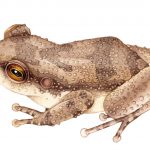
Activity: Amphibian lifecycles

Make your own amphibian lifecycle (Grades 2-5)
Grade 3:

Life Sciences > Diversity and Classification > Classifying Plants
Life Sciences > Diversity and Classification > Classifying Animals > List five classes of vertebrates; Describe the main features of each class of vertebrate; Compare the main characteristics of the classes of vertebrates

Activity: Vertebrate classification

Find out about vertebrate diversity (Grades 3-5)

Life Sciences > Ecosystems > Components of Ecosystems > Name and identify different types of ecosystems
Life Sciences > Ecosystems > Caribbean Ecosystems
Life Sciences > Ecosystems > Plant structure > Describe the main parts of plants
Life Sciences > Ecosystems > Animal structure > Classes of animals their external structures stated and their function
Yellow line arrow crab

Activity: Invertebrate classification

Find out about invertebrate diversity (Grades 1-3)

Activity: Vertebrate classification

Find out about vertebrate diversity (Grades 3-5)
Grade 4:

Life Sciences > Ecosystems > Food relationships in Ecosystems
Life Sciences > Ecosystems > Interactions of Organisms in Ecosystems

Grade 5:

Life Sciences > Diversity and Classification > Reproduction in Animals > Name different animals and state the method by which they reproduce

Activity: Vertebrate classification

Find out about vertebrate diversity (Grades 3-5)

Activity: Amphibian lifecycles

Make your own amphibian lifecycle (Grades 2-5)

Life Sciences > Diversity and Classification > Life Cycle of Animals > Explain the lifecycle of an animal; Describe the lifecycle of an animal where the young and adult are not alike
Polka dot wasp

Activity: Insect lifecycles

Make your own insect lifecycle (Grade 2)

Activity: Amphibian lifecycles

Make your own amphibian lifecycle (Grades 2-5)
Life Sciences > Diversity and Classification > Life Cycle of Animals > Classify insects according to their type of lifecycle
Life Sciences > Diversity and Classification > Life Cycle of Animals > Describe the role of the butterfly in nature

Activity: Plant lifecycles (detailed)

Make your own plant lifecycle (Grade 5-6)
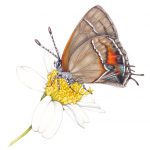
Booklet: Montserrat's pollinators and seed dispersers

Life Sciences > Ecosystems > Changing the environment > Identify ways in which an ecosystem can change from natural disasters and human activity
Front cover of DPLUS192 Toolkit Management Options

Booklet: Biodiversity Toolkit

Find out more about helping wildlife

Life Sciences > Ecosystems > Environmental Conservation
Front cover of DPLUS192 Toolkit Management Options

Booklet: Biodiversity Toolkit

Find out more about helping wildlife

Grade 6:

Life Sciences > Diversity and Classification > Pollination

Activity: Plant lifecycles (detailed)

Make your own plant lifecycle (Grade 5-6)

Booklet: Montserrat's pollinators and seed dispersers

Life Sciences > Diversity and Classification > Seed dispersal

Activity: Plant lifecycles (detailed)

Make your own plant lifecycle (Grade 5-6)

Booklet: Montserrat's pollinators and seed dispersers

Life Sciences > Ecosystems > Environmental Conservation