

Montserrat's National Herbarium
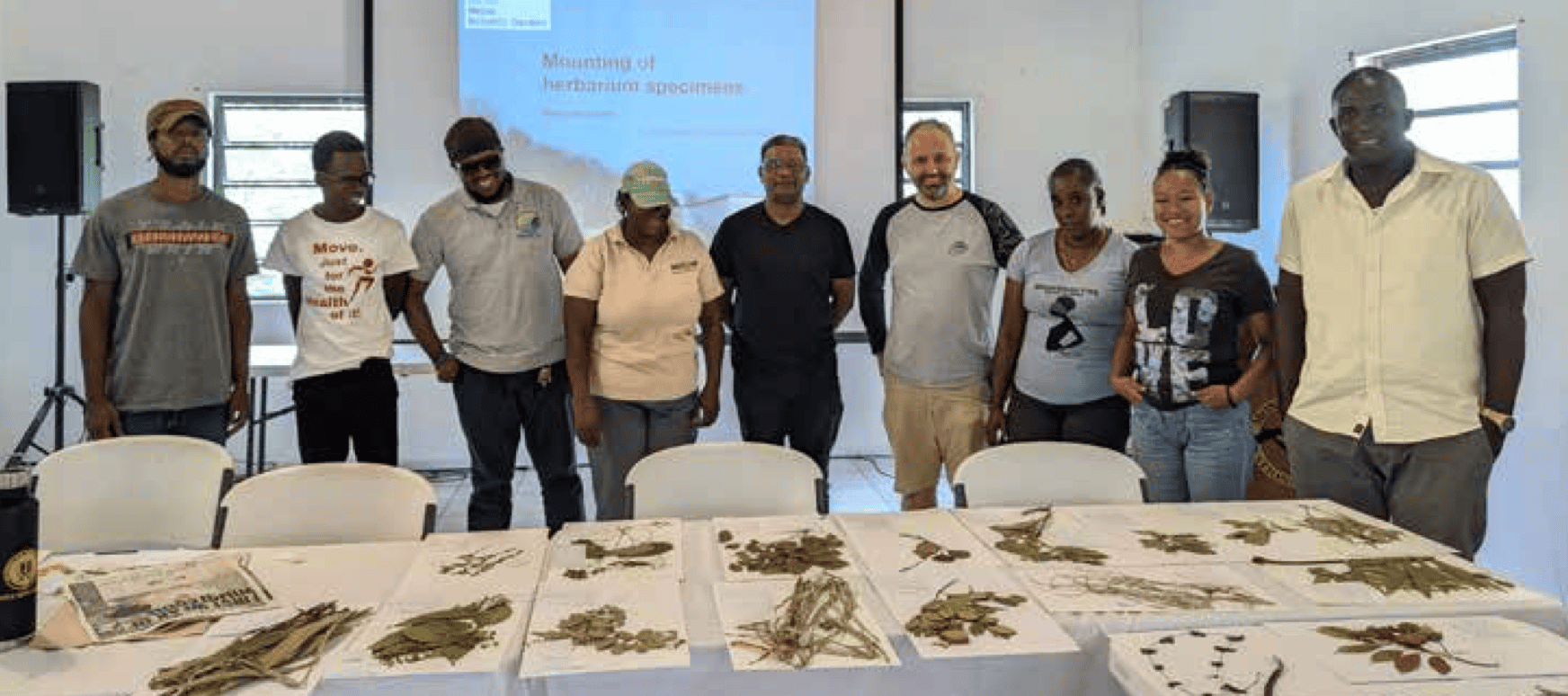
The Montserrat National Herbarium has been developed since around 2022. It is located at the Montserrat National Trust Botanic Gardens where the collection is housed in conditions which aim to preserve it as a knowledge base for many years to come. Read more about the development of the herbarium and project partners here
Digitalised Herbarium
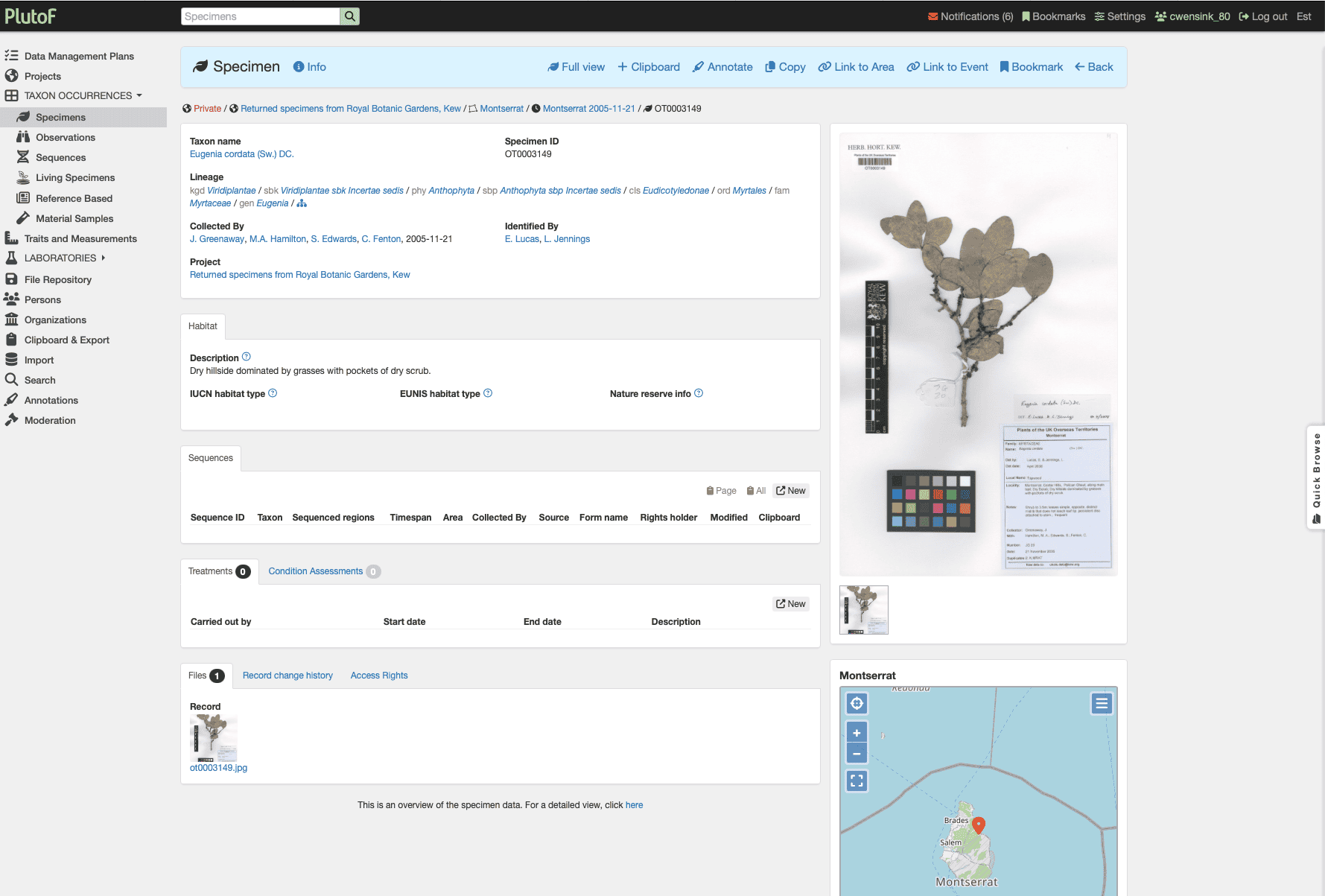
PlutoF is a cloud-based biodiversity data management platform used to store, manage, and share biological records. On Montserrat, it serves as the go-to tool for logging species occurrences and managing the island's biodiversity data, making it easier than ever for researchers and conservationists to build and share knowledge of the island's natural environment.

GBIF Hosted Portal
.The GBIF Hosted Portal is a ready-made biodiversity data platform that lets countries and organisations showcase and explore species occurrence data from the Global Biological Information Facility (GBIF) network — and Montserrat now has its very own, giving the island a dedicated space to discover and share the incredible wildlife found there. Click on the image to visit the portal. Further development of the portal will take place as funding allows.
Insect Checklist
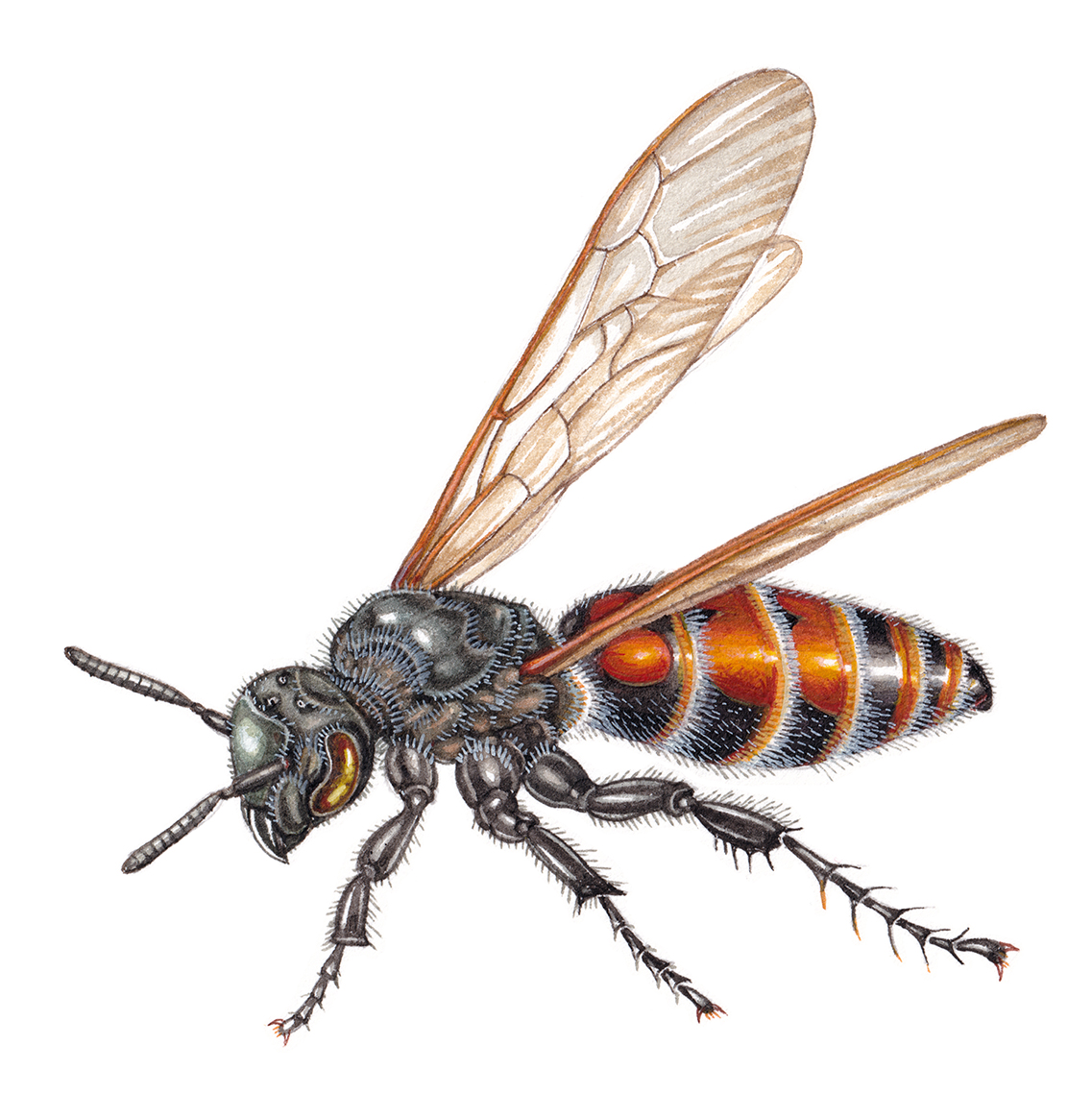
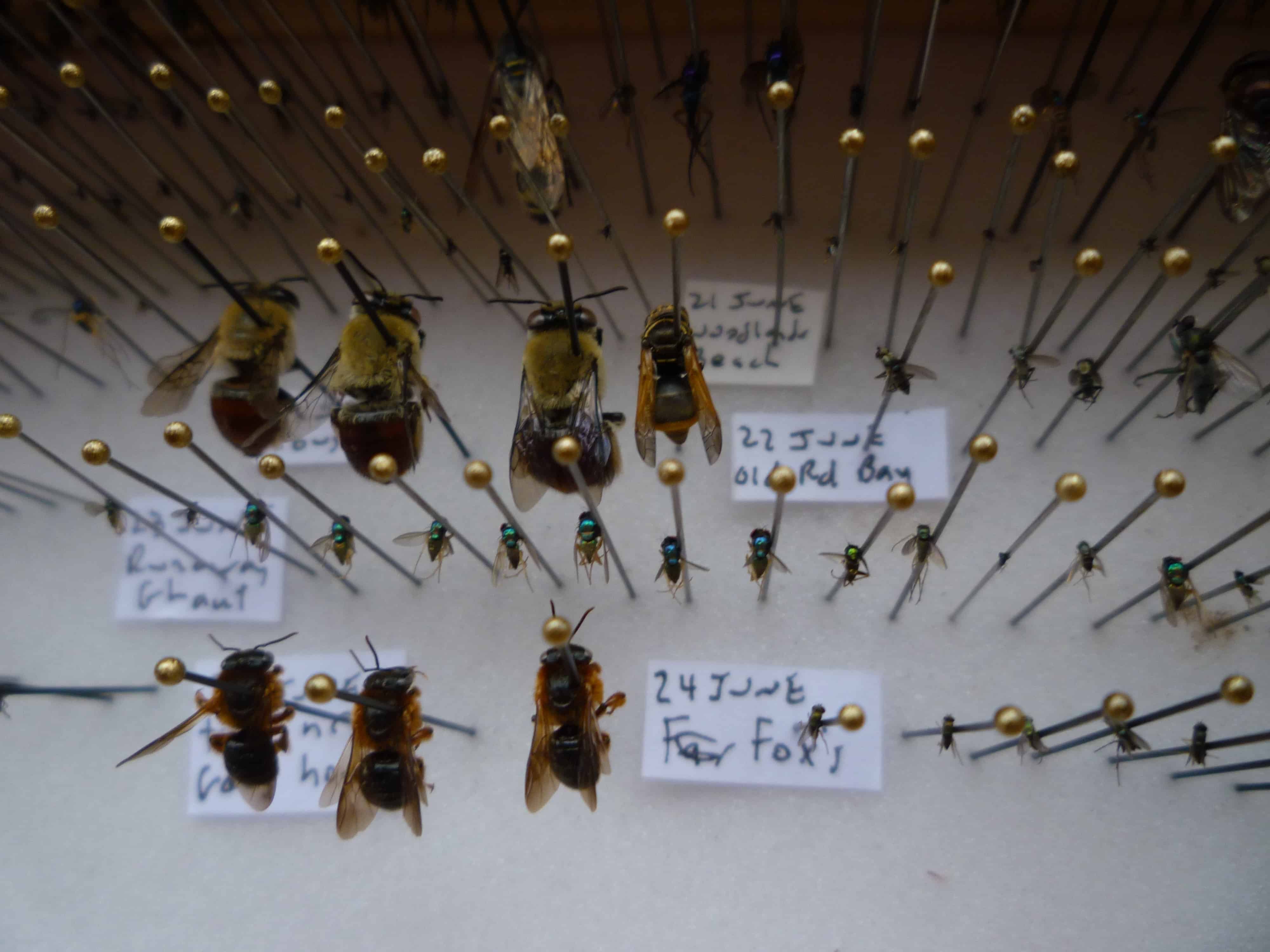
Throughout the project, the team has been supported by the Species Recovery Trust to work together to collate information on invertebrates both opportunistically, by working with researchers and the community on Montserrat. It build on work previously started on here during the Adopt a Home for Wildlife Project. This part of the project will continue as in some areas, such as micormoths and tiny mites requires taxonomic work. See a poster created by Dr Wolfgang Rabitsch on the True Bugs of Montserrat presented at an international conference in Thailand.
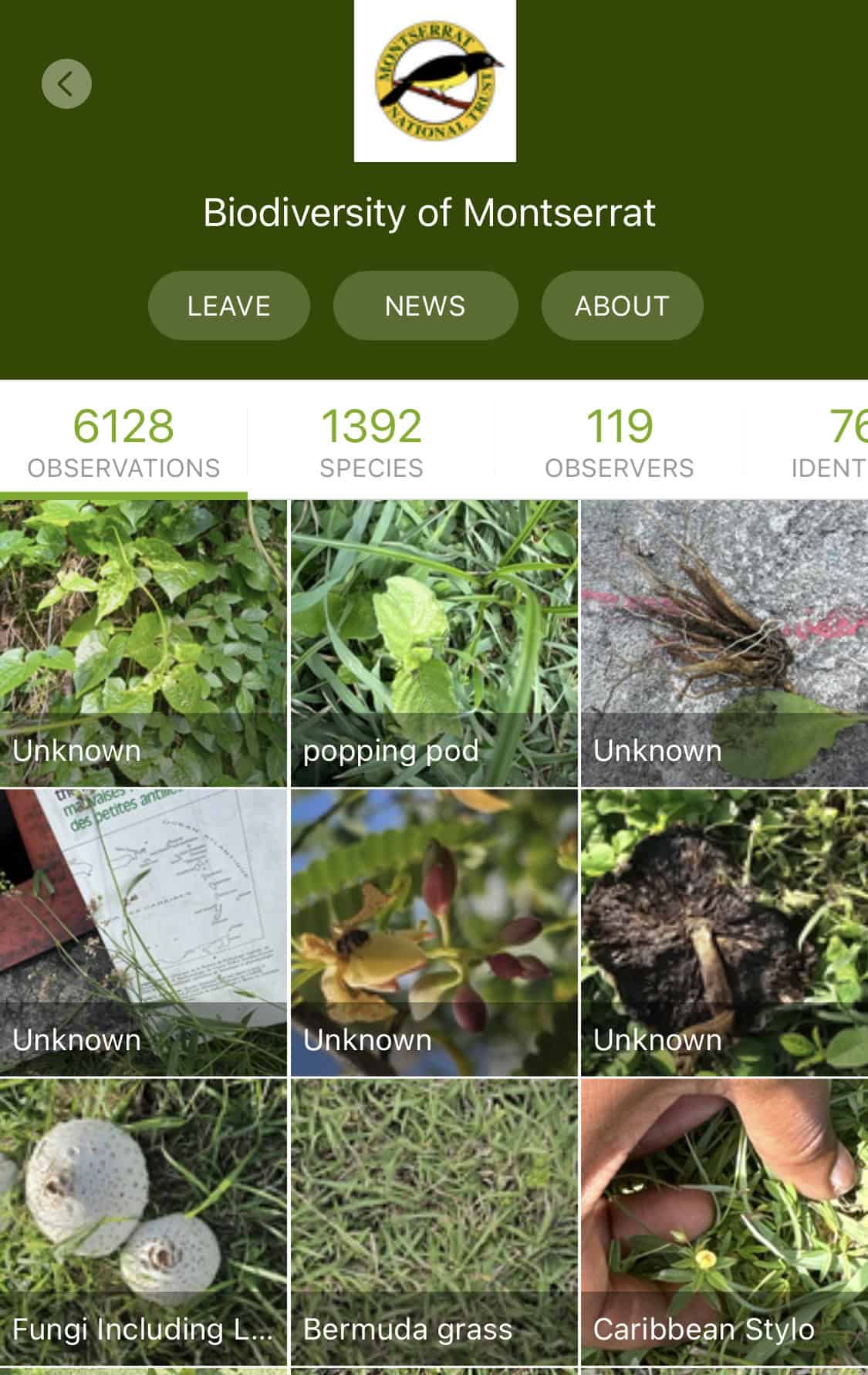
Community Biological Recorders
.Data can can from everywhere. Read more about Citizen Science used during the project. This work builds on previous work, but has been the number of records explode and the creation of a new app with partners from the UK Centre for Ecology and Hydrology to adapt their Flower to Insect Timed Count app to Montserrat. Read more here
Natural History
More soon